Tiberius
RIC I Tiberius 30
Series: Empire - Tiberius
Reference: RIC I Tiberius 30
 |  |
Gens and monetary:Julia - Claudia - Tiberius
Year and mint:From 14 AD to 37 AD - Lugdunum
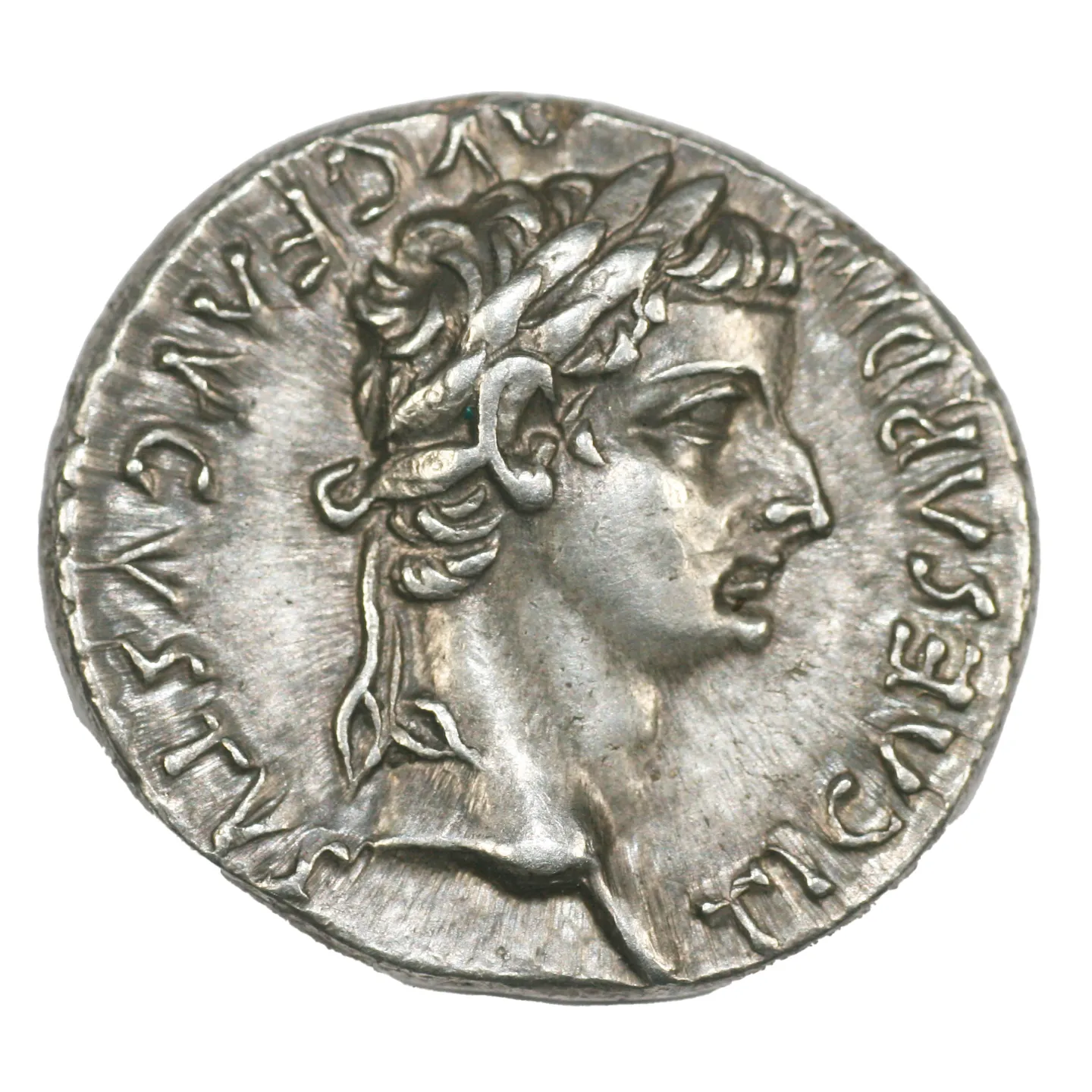
Obverse:Head of Tiberius, laureate, right TI CAESAR DIVI AVG F AVGVSTVS
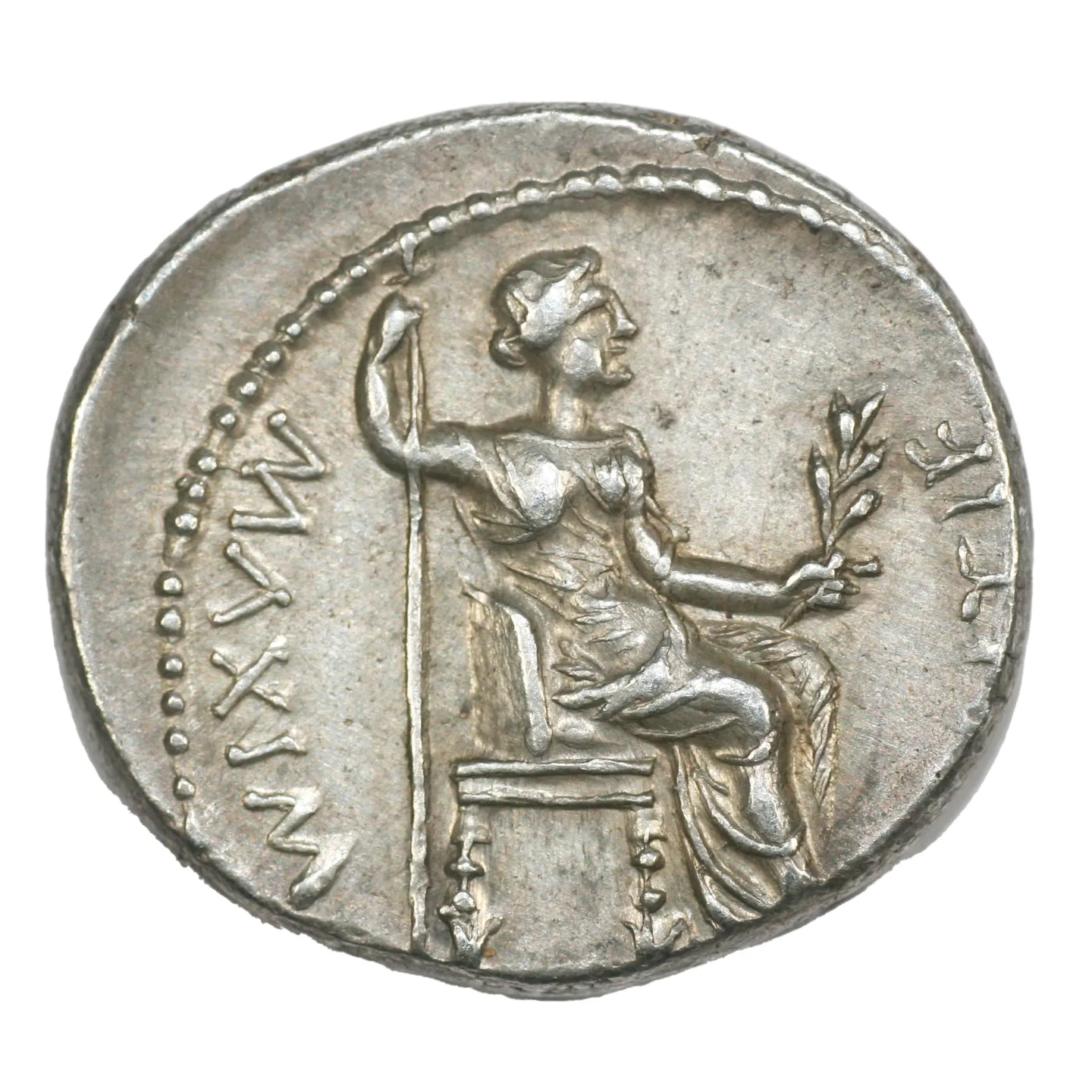
Reverse:Livia (as Pax), draped, right, seated, right holding branch and long upright scepter, on chair with ornate legs; under the saddle, single line PONTIF MAXIM
Grade:EF+ 3.83 g - 12h
Origin:Former Gorny & Mosch 155 (5 March 2007), lot 288. - CNG 2023
Comment:
The Julio-Claudian dynasty combined two of the most prominent families in Rome. From the Julia line comes Julius Caesar and Augustus, who shaped the Empire. The Claudian line, to which Tiberius belonged by birth, was also very influential. Among the most prominent members of this dynasty, in addition to Tiberius, were his mother Livia Drusilla, one of the most powerful women of her time.
Tiberius assumed the throne in AD 14, succeeding his stepfather Augustus. He was a skilled general, standing out in consolidating the borders of the Empire, especially in Germania. During his reign, he maintained a policy of fiscal prudence and avoided unnecessary military expansions. However, his relationship with the Senate deteriorated, and beginning in 26 AD, he retired to the island of Capri, leaving control in the hands of his prefect Sejanus, which affected his popularity in Rome.
This denarius was minted between 14 and 37 AD, during the reign of Tiberius. In this period, Rome enjoyed relative stability, but there were internal tensions, especially between the emperor and the Senate. Tiberius, heir to Augustus, focused on maintaining the borders of the Empire and preserving the structure established by his predecessor. However, his retreat to Capri in the final years of his reign and the influence of his prefect Sejanus caused discontent in Rome, paving the way for his successor.
On the obverse, Tiberius is shown wearing a laurel wreath, a traditional symbol of victory and imperial authority, highlighting his position as Augustus’ legitimate successor and his connection to military victories. On the reverse, Livia, mother of Tiberius, personified as Pax (the goddess of peace), is represented sitting with an olive branch and a scepter. This image symbolizes the peace and stability that Tiberius wanted to project as the legacy of his government and the Julio-Claudian dynasty.