Othón
RIC I 4
Series: Empire - Othón
Reference: RIC I 4
 |  |
Gens and monetary:Year of the 4 emperors - Othón
Year and mint:From 69 AD to 69 AD - Rome
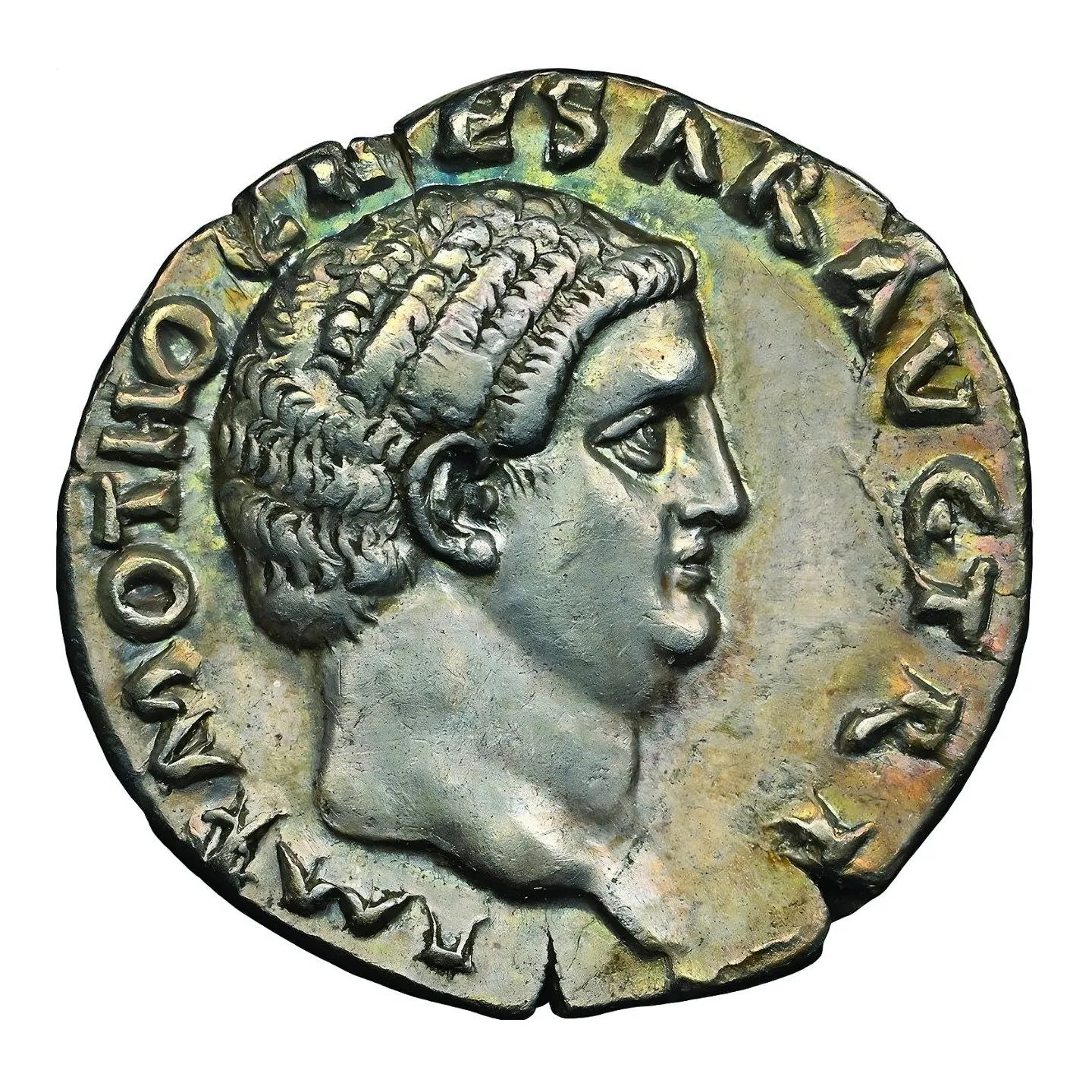
Obverse:Head of Otho naked on the right. IMP M OTHO CAESAR AVG TR P
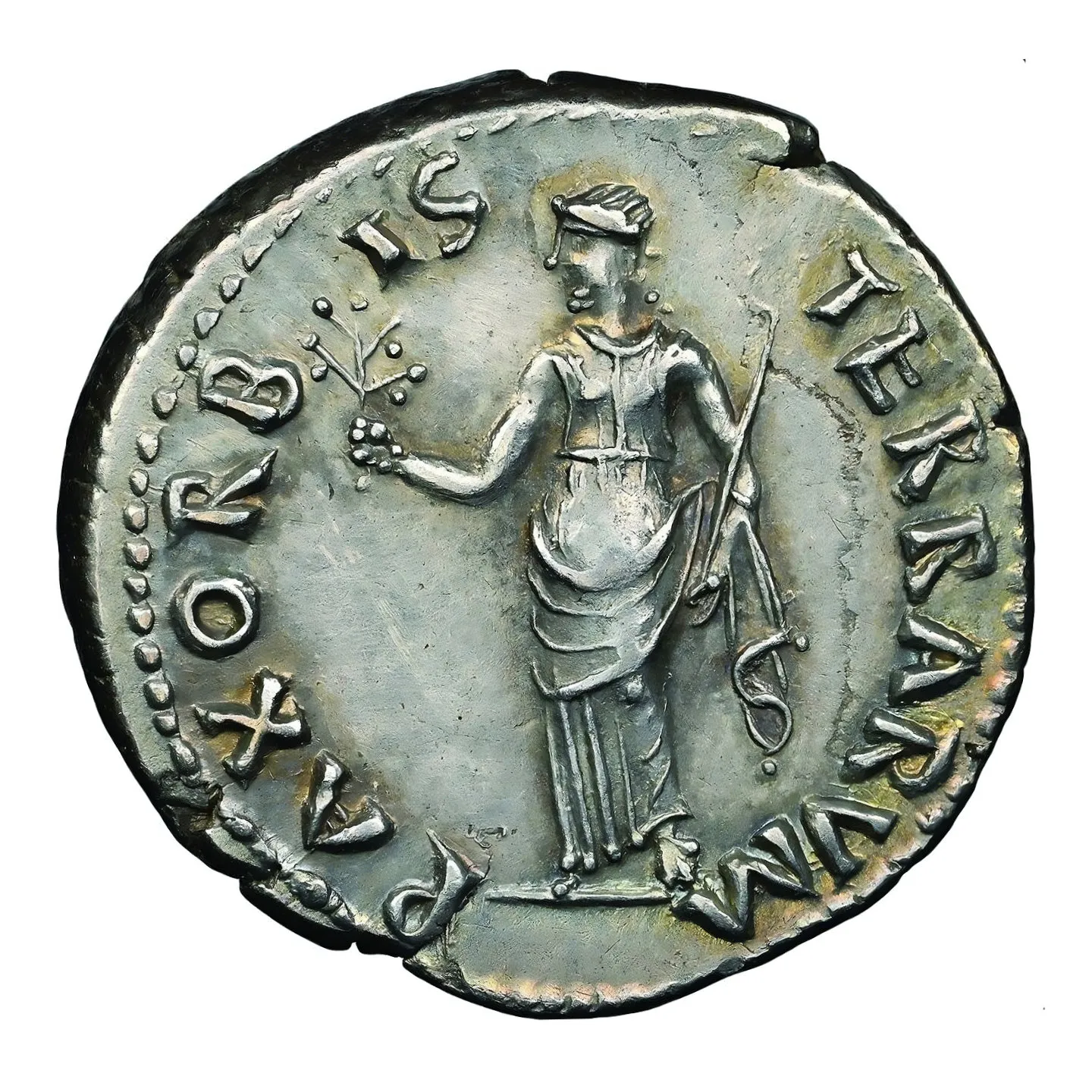
Reverse:Pax, in robes, standing on the left, holding a branch in his right hand and a caduceus in his left. PAX ORBIS TERRARVM
Grade:EF 3.56 g - 6h (I have it in the box)
Origin:Gadoury 4-10-2025 Lot 1123
Comment:
Marcus Salvius Otto was one of the protagonists of the turbulent Year of the Four Emperors (69 AD). After the death of Galba, whom he had initially supported, he proclaimed himself emperor with the support of the Praetorian Guard. His reign was brief—barely three months—marked by the civil war against Vitellius and its tragic end: he committed suicide after his defeat at Bedriacum, earning some respect among the Romans for avoiding more bloodshed.
In the year 69, Rome was experiencing a period of succession chaos. With the Julio-Claudian dynasty extinct, power was disputed between the armies of Hispania, Germania and the Senate. After Nero, Galba, Otho, Vitellius and, finally, Vespasian followed in just one year.
The portrait of Otto, with his bare head and characteristic curly hair, actually represents a false wig, since ancient sources describe him as bald. Suetonius and Plutarch mention his extreme vanity and his desire to hide it. The hairstyle reproduces Nero’s style, probably intentionally, seeking to connect his image with that of the last emperor of the Julio-Claudian dynasty and project continuity with his memory. The legend IMP M OTHO CAESAR AVG TR P reaffirms his titles and his imperial authority, in an attempt to consolidate a power as ephemeral as it is disputed.
The reverse shows Pax, personification of Peace, standing holding a branch and a caduceus, symbols of conciliation and prosperity. The legend PAX ORBIS TERRARVM (“Peace of the Whole World”) is ironic in a context of civil war, but reflects Otto’s desire—or propaganda—to restore stability throughout the Empire. This message, more aspirational than real, summarizes Otho’s brief attempt to restore order to Rome after years of uncertainty.