The Prices of a Denarius
Denarii do not have a fixed price, much less a standardized one; in fact, their prices can vary enormously. It is possible to find denarii for one hundred euros, one thousand, ten thousand or even one million. Everything depends on several variables and factors, such as those described below:
The law of supply and demand has a significant influence on the price of a denarius. If it is a highly sought-after piece, its value will be higher; if many examples are available, it will be lower. For example, a denarius of Julius Caesar will always have a considerably higher value than one of Domitian. While many collectors aspire to own a denarius of Julius Caesar, a denarius of Domitian may be entirely dispensable.
With the sample of denarii presented below, we can see how pieces of similar quality or preservation may vary considerably in price depending on the period or emperor: anonymous Republican, Republican, Brutus, Julius Caesar, Nero, Hadrian, Septimius Severus and Gordian III.
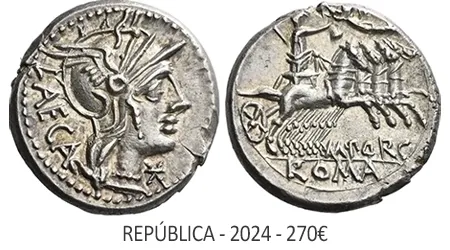
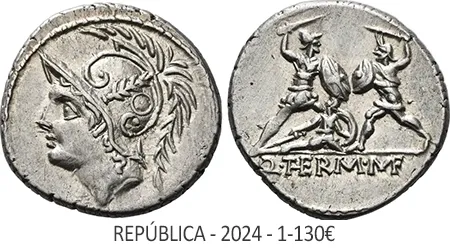
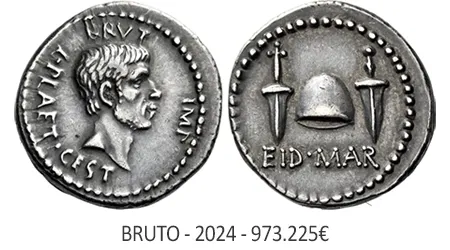
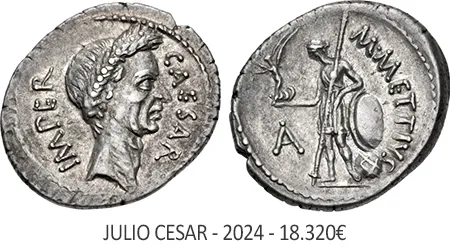
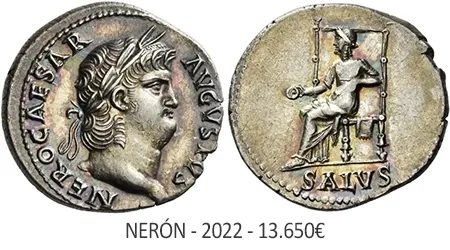
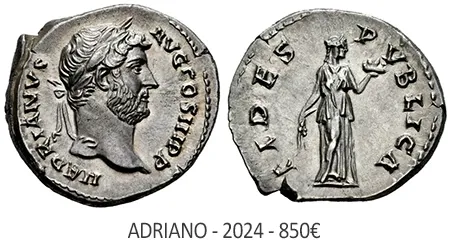
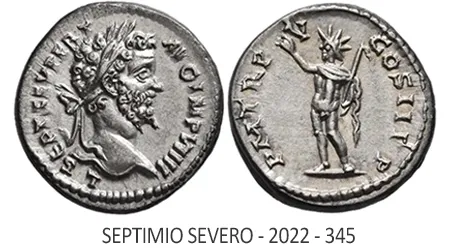
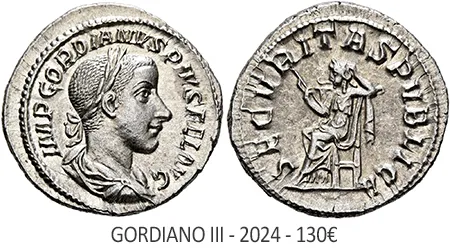
It should be noted that this sample uses examples in extremely high states of preservation. In other grades, prices could fall to less than one third.
More than “rare”, denarii should often be considered “scarce”. As with trading-card collections, there were always those that appeared constantly and those that were almost impossible to find. In the case of denarii, those considered scarce command higher prices because of their limited availability.
Some denarii survive in a state almost identical to the moment when they were struck. Others, by contrast, show signs of having circulated intensely for centuries, passing from hand to hand, purse to purse and chest to chest. This wear considerably reduces their value, even though they may have a far more fascinating history.
The prices of denarii increase exponentially as their state of preservation improves. There is an internationally established grading scale that categorizes coins according to their condition. However, debate often arises over which grade should be assigned to a specific piece.
Denarii were struck by hammer blows on a die, which impressed their design onto a piece of silver. Although most strikes were accurate, small shifts could leave parts of the design or legends outside the flan.
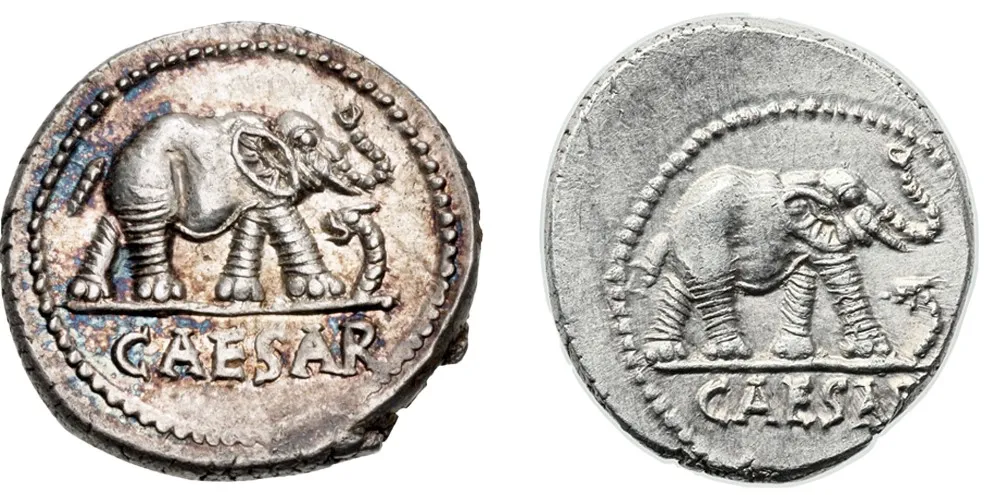
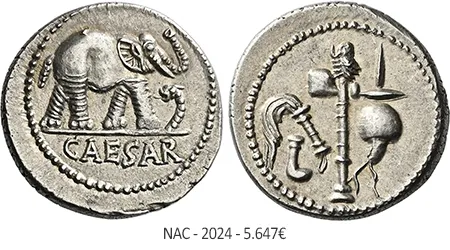
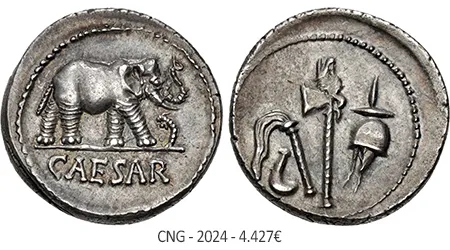
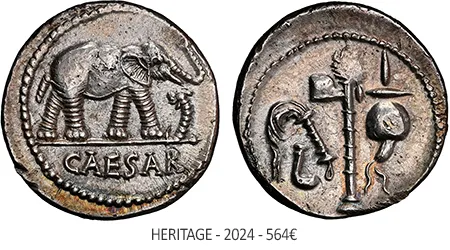
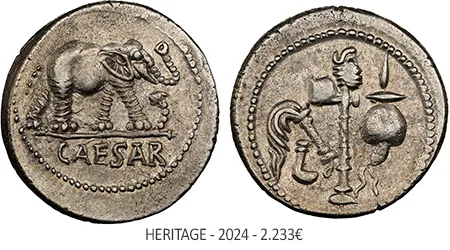
As can be seen in these images, two coins with the same state of preservation may differ notably in price because of the centering of the strike.
Originally, all denarii left the “factory” clean and shiny. However, the passage of time altered their appearance. Most denarii today were probably cleaned at some point in their history, either recently or hundreds of years ago.
Patina may range from a fine layer that enhances the coin to thick accumulations or a dirty appearance. This does not intrinsically determine whether a denarius is better or worse, but it does influence collectors’ perception. In general, extremely clean or excessively dirty pieces tend to be less sought after. The middle ground is usually ideal.
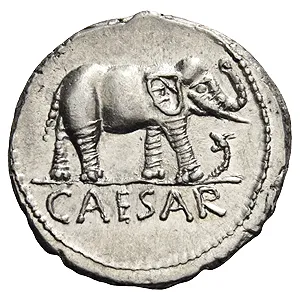
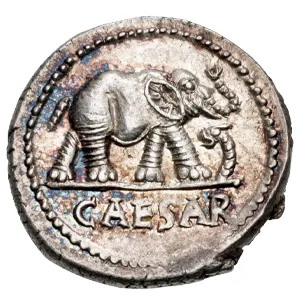
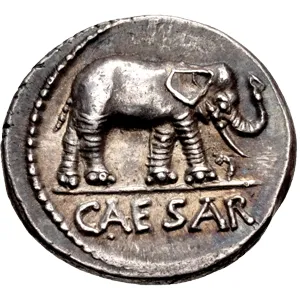
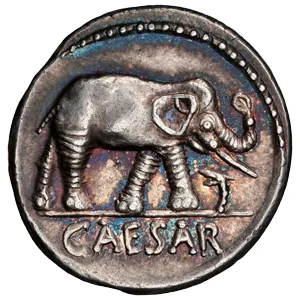
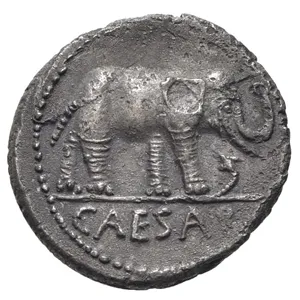
Factors such as timing, the market, the seller or even the buyer’s emotions have a considerable influence on the price of a denarius. Moreover, as with everything, denarius prices rise over time, but they do not do so evenly: there are moments of stagnation, downturns in times of crisis and then sudden increases.
You can buy from private individuals, friends or dealers at markets and shops, or turn to auction houses, where price fluctuations are more evident. At auction, the final price includes not only the winning bid but also an additional percentage for the house and possible customs duties if the purchase is international. In any case, there is always someone willing to pay a price close to what you have paid, and that establishes a market value.
An illustrative example is Julius Caesar’s elephant denarius. In 2024, the most expensive piece sold for 16,841 euros, while the cheapest example of the same issue was acquired for only 188 euros.
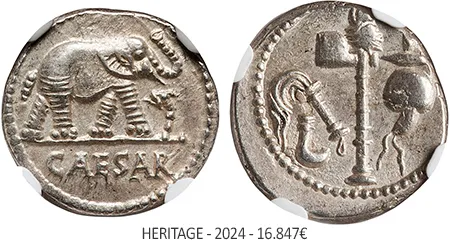
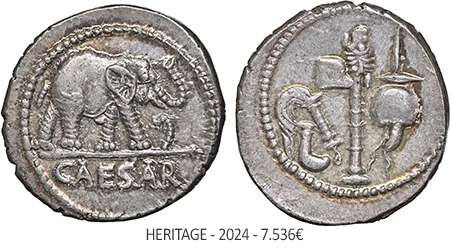
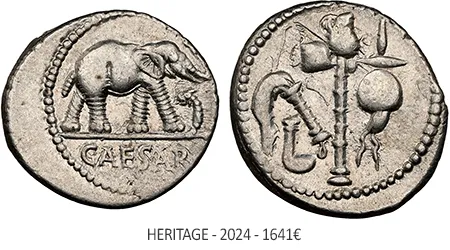
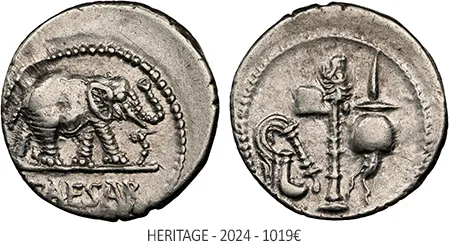
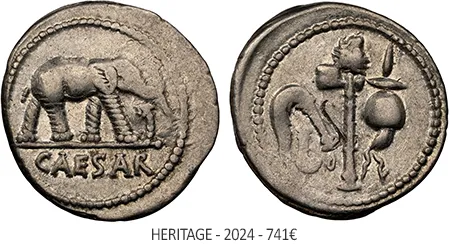
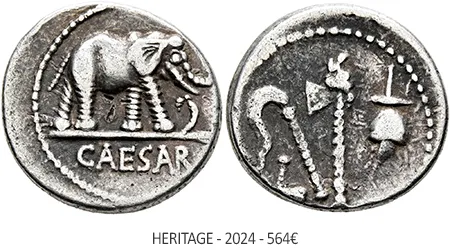
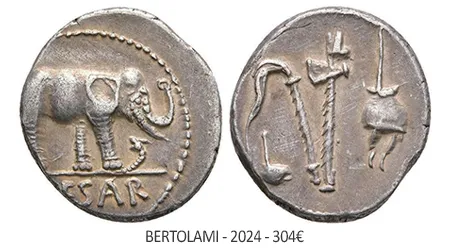
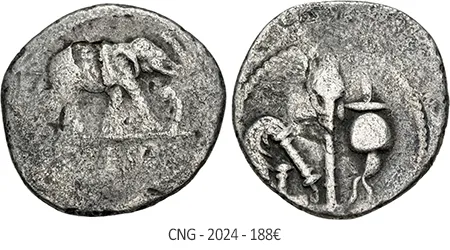
The price of a denarius is shaped by multiple factors: rarity, state of preservation, centering, patina, period and the market itself. None of these variables acts in isolation; together they form a complex framework that determines the value of each piece. For collectors, the challenge lies in understanding these dynamics and, above all, in acquiring pieces that are meaningful to them. After all, a denarius is not only an economic investment, but also a tangible link with ancient history.