Septimius Severus. Reign and Coinage
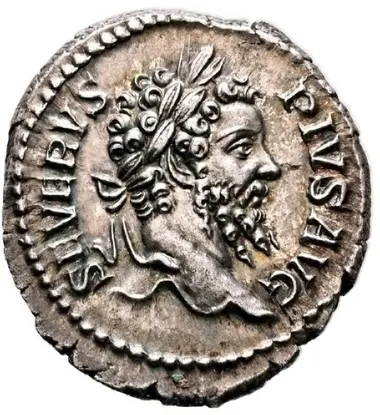 The reign of Septimius Severus (193-211 AD) constitutes one of the most dynamic periods of the Roman Empire.
For almost two decades, this emperor of North African origin governed a vast territory amid intense military, administrative and building activity. His government coincided with a turbulent time, beginning after the assassination of Emperor Commodus and marked by struggles for power between various aspirants to the throne. In this context, numismatics becomes a fundamental source for understanding the political and military events of the period, since coins fulfilled not only an economic function, but also a propagandistic and informative one within the Empire.
The rise of Septimius Severus took place in the so-called “Year of the Five Emperors” (AD 193), after a rapid succession of rulers. After the assassination of Pertinax and the brief and controversial reign of Didius Julianus, who obtained the throne after an auction organized by the Praetorian Guard, several generals proclaimed themselves emperors. Among them stood out Clodius Albinus in Britain, Pescennius Niger in Syria and Septimius Severus himself, governor of Upper Pannonia.
Supported by the Danubian legions, Severus marched on Rome, deposed Didius Julianus and was proclaimed emperor by the Senate in June 193.
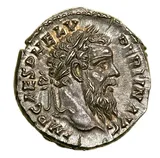
Pertinax
Proclaimed by the Senate after the death of Commodus, with the support of the Praetorian Guard, he ruled from January 1 to March 28, 193. He was assassinated by the Praetorians themselves after trying to impose discipline.
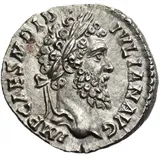
Didius Julianus
Reigned from March 28 to June 2, 193. Proclaimed emperor by the Praetorian Guard after an Empire auction, he was only recognized by the Senate under pressure.
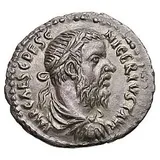
PESCENNIUS NIGER
Proclaimed emperor by the Syrian legions in April 193 in Antioch, with the support of the eastern provinces. He was not recognized by the Senate. He was defeated by Septimius Severus in 194.
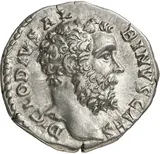
CLODIUS ALBINUS
Proclaimed by the legions of Britain in 193 and recognized as Caesar by Septimius Severus, he proclaimed himself Augustus in 195 without support from the Senate. Defeated by Severus in 197.
Once in power, the new emperor sought to consolidate his authority. To ensure the loyalty of the army, he gave generous donations to the soldiers and reorganized the Praetorian Guard, replacing the old praetorians with legionaries from his own troops. This military support is clearly reflected in the early coinage of his reign, many of which celebrate the loyalty of the legions that helped him achieve the throne. Several monetary series directly mention military units, extolling their fidelity and their role in the political victory of Septimius Severus.
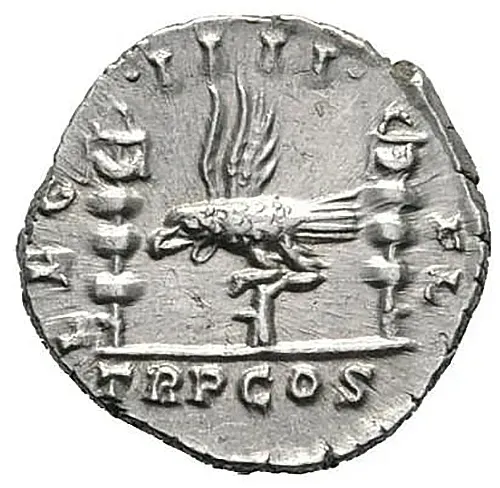
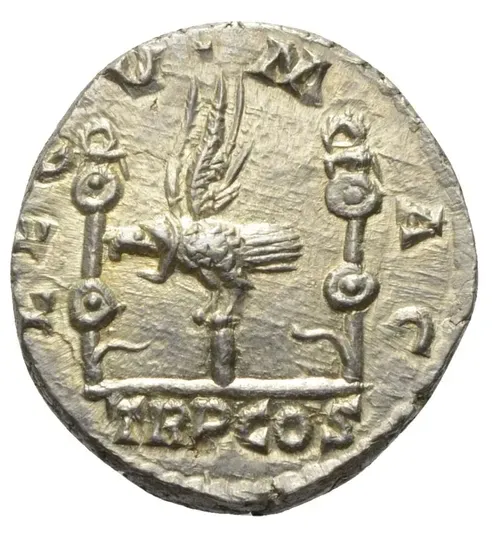
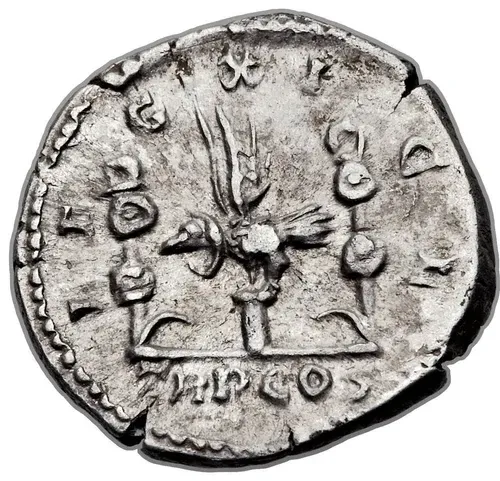
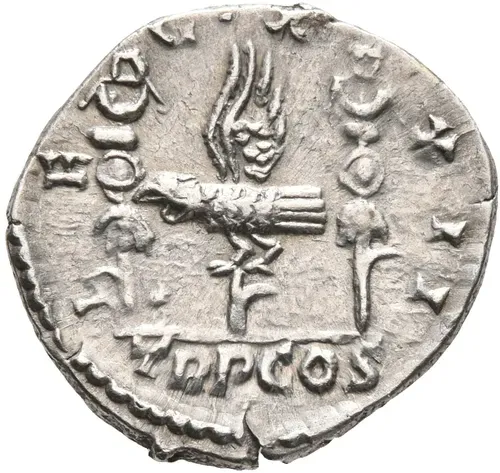
The coins issued during these first months have a marked propaganda character. Allegories such as Fides, Victoria or Virtus appear in them, symbols that convey the legitimacy of the new emperor, his military value and the support of the army.
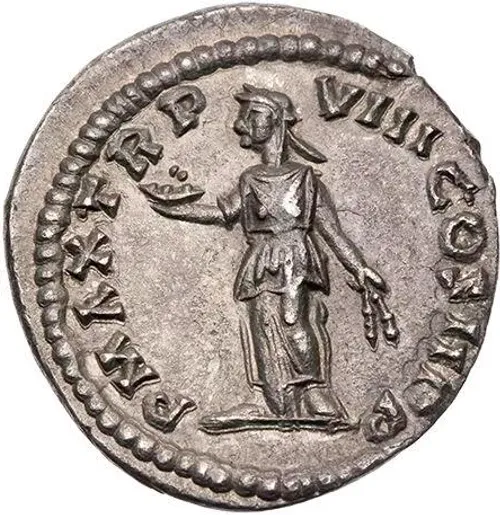
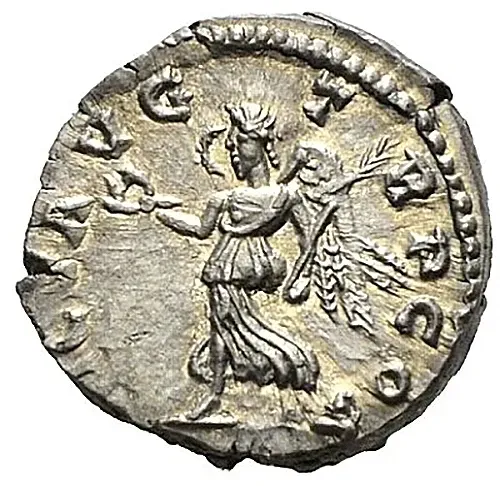
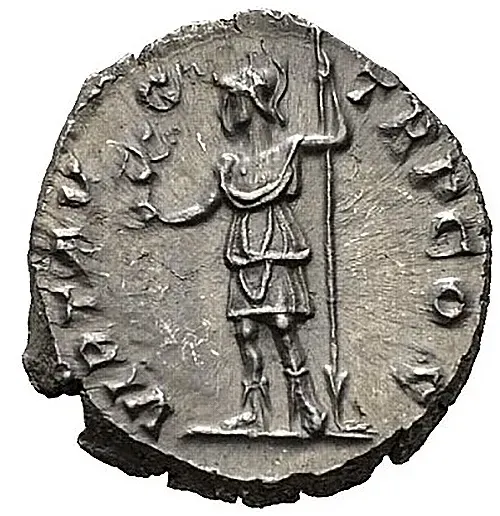
Likewise, some issues recall specific events of the reign, such as donations to the people of Rome or the deification of Pertinax, whose memory Severus wanted to honor to reinforce his own political legitimacy.
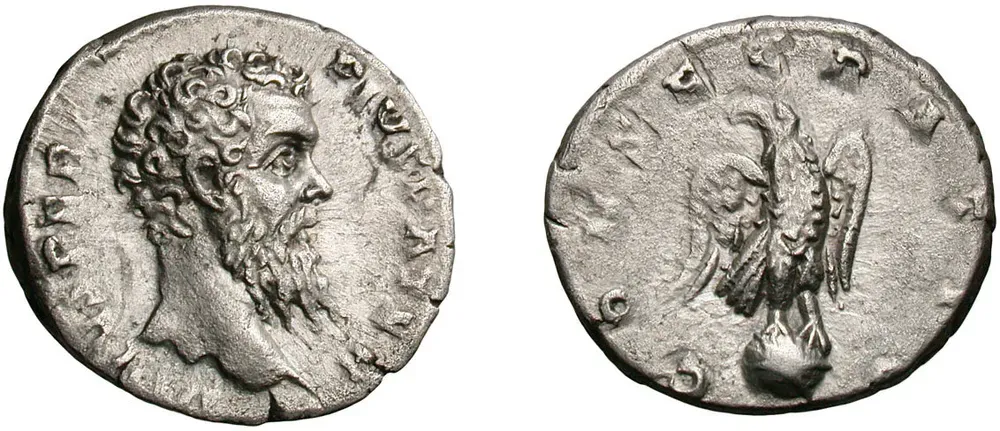
Tauler&Fau Auction 2018
At the same time, the emperor had to face his rivals. The most immediate conflict was the war against Pescennius Niger, who dominated the eastern provinces of the Empire. After several military confrontations, the Severine troops managed to prevail.
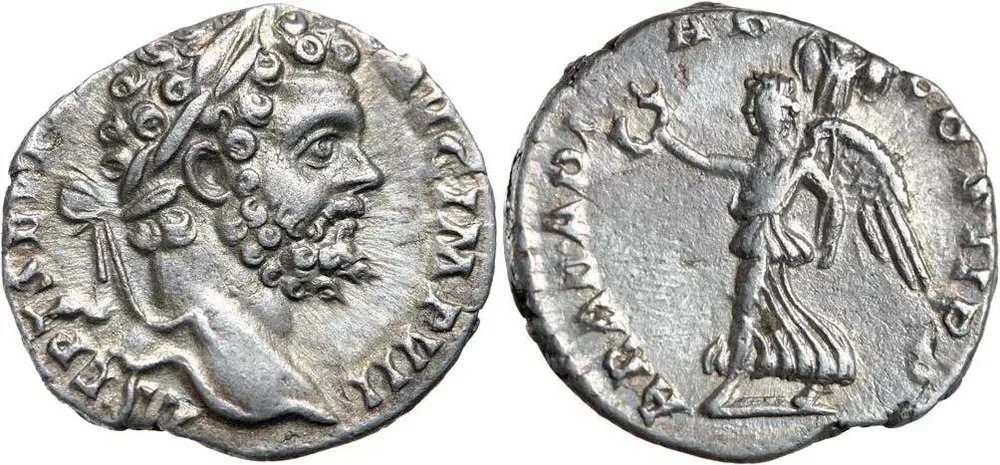
Tauler&Fau Auction 2018
Later, the North African emperor would achieve a brilliant triumph over the centuries-old Parthian enemy, whose capital he would take and sack. These campaigns are reflected in the coinage: an unbeatable vehicle to celebrate imperial victories and disseminate the emperor’s military superiority throughout the Empire.
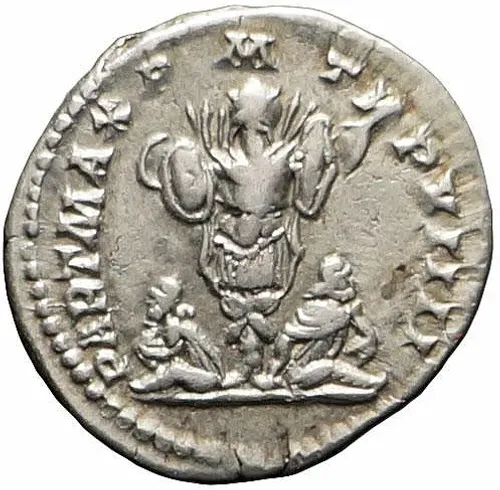
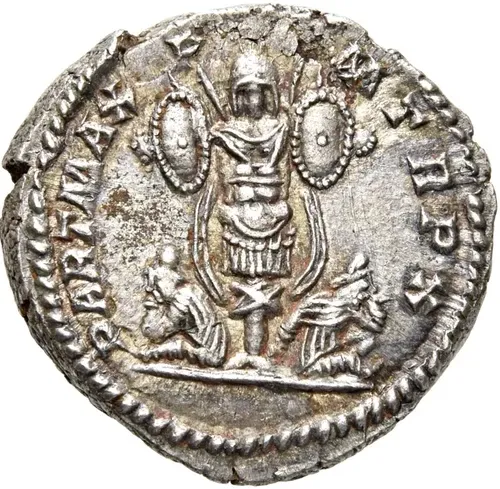
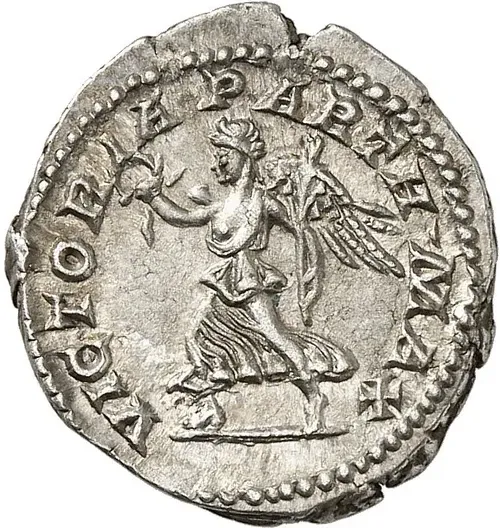
Another notable element of Severine numismatic propaganda is the presence of his family. The coins issued in the name of Julia Domna, the emperor’s wife, and her children Caracalla and Geta, present the dynasty as a guarantor of stability and continuity. Through these representations, the idea of a solid power legitimized by both the army and Roman tradition was transmitted.
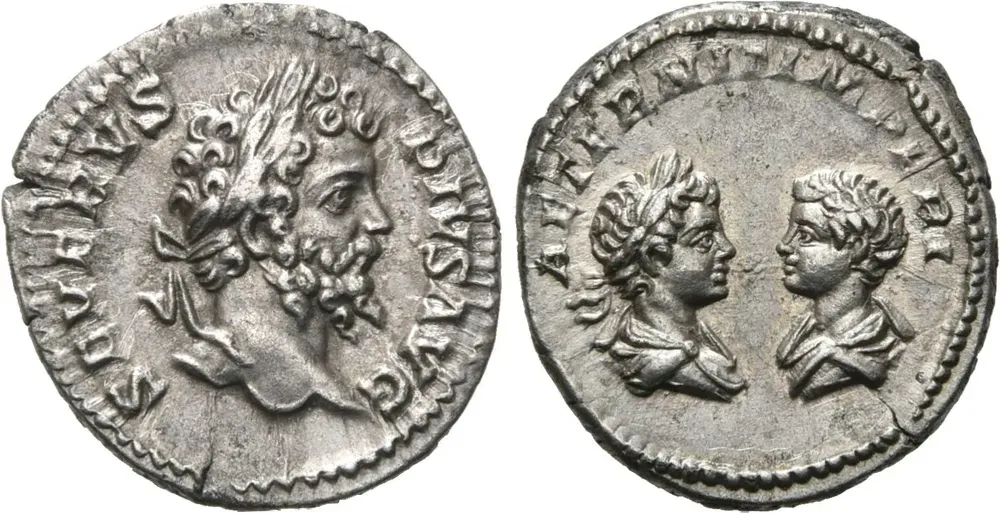
Septimius and his sons
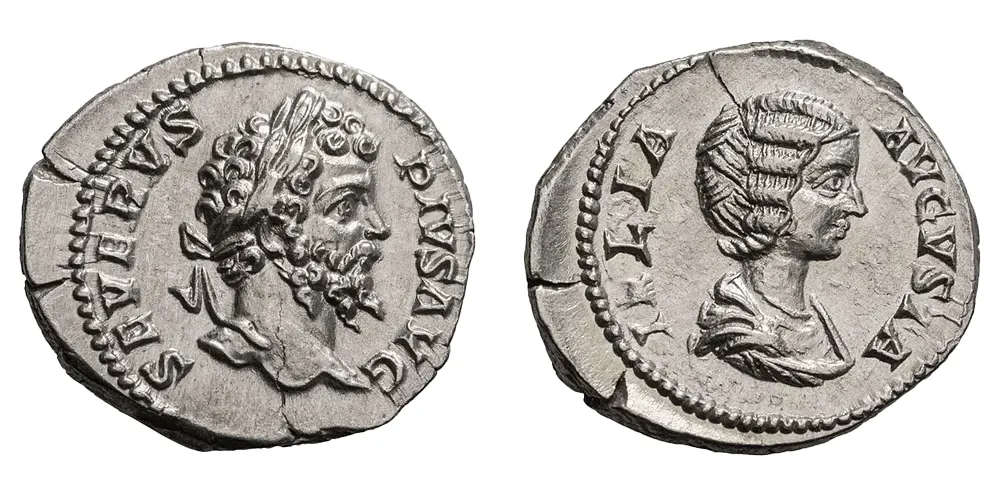
Septimius and Julia
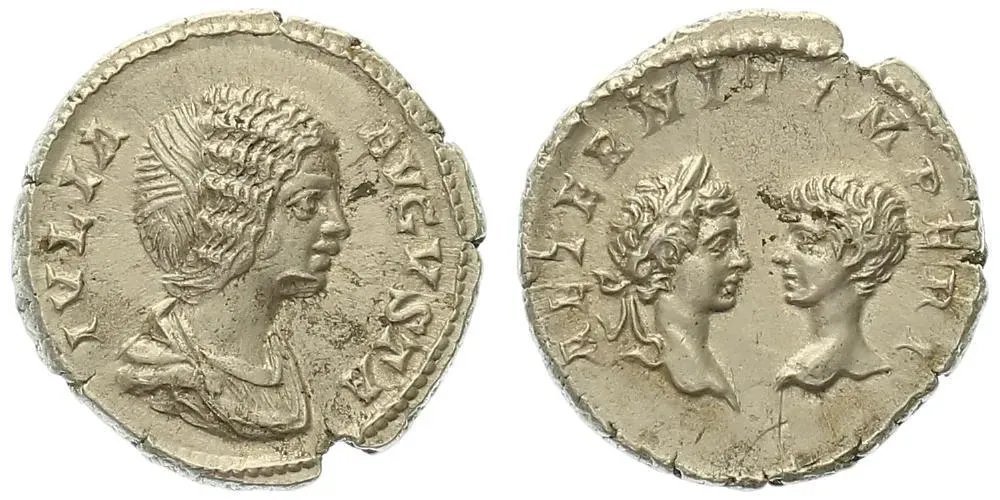
Julia and her children
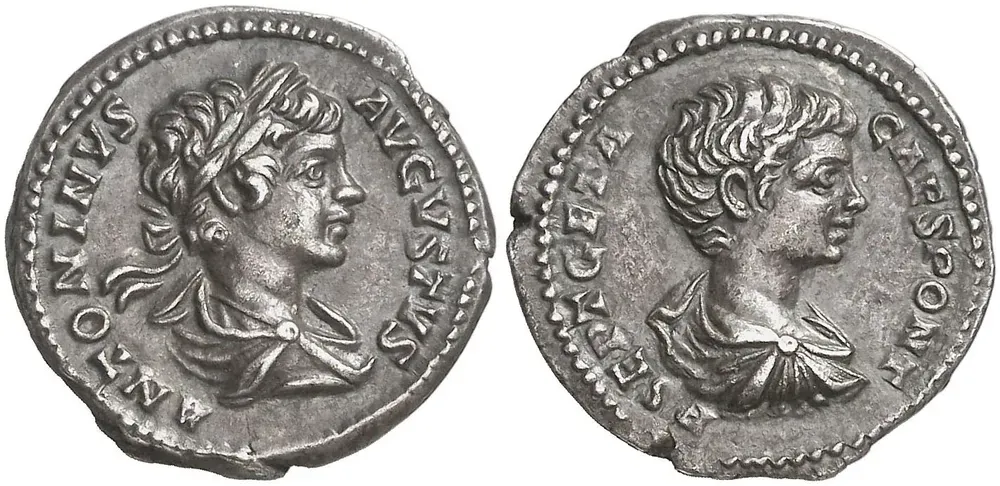
Children of Septimius
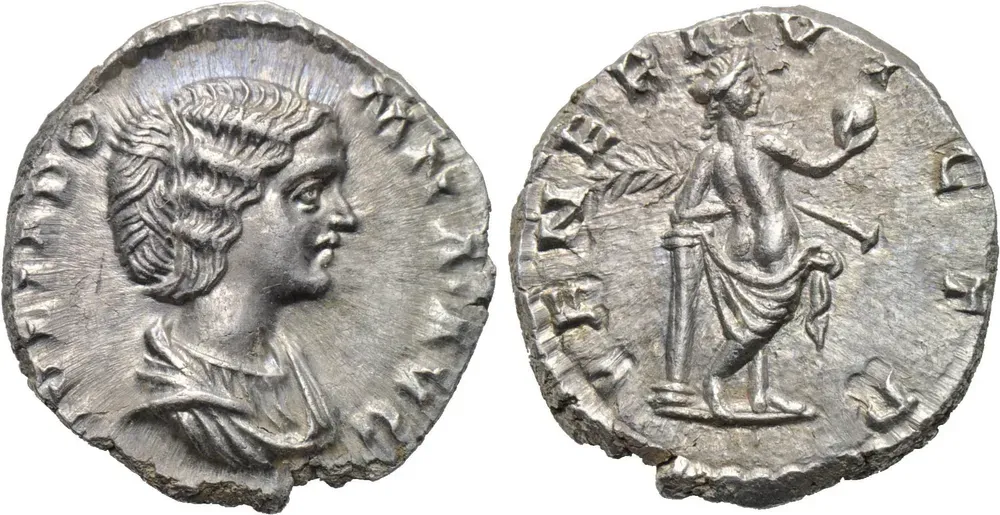
Julia Domna, wife of Septimius
In short, the study of the coinage of Septimius Severus allows us to better understand his reign. The coins act as historical documents that reflect political events, military victories and imperial propaganda strategies. Through them it is possible to reconstruct not only the evolution of Severus’ power, but also the way in which the Empire communicated and justified its authority to the population.
Numismatics thus reveals itself as a valuable auxiliary science of history, capable of illuminating aspects that are often left out of traditional literary sources.
This text represents a brief summary of the book dedicated to the coins of Septimius Severus written by Alfonso Luis Romero Martin.
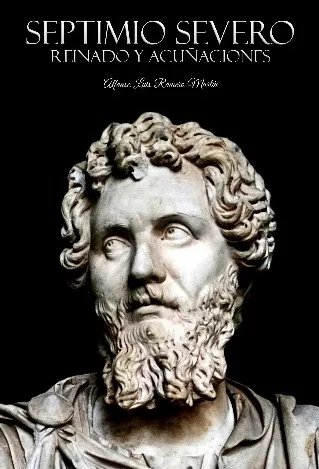
SEPTIMIUS SEVERUS. Reign and Coinage