PERTINAX
RIC IV PERTINAX 4A
Series: Empire - Of the 5 emperors
Reference: RIC IV PERTINAX 4A
 |  |
Gens and monetary:Of the 5 emperors - Pertinax
Year and mint:193 AD – Rome
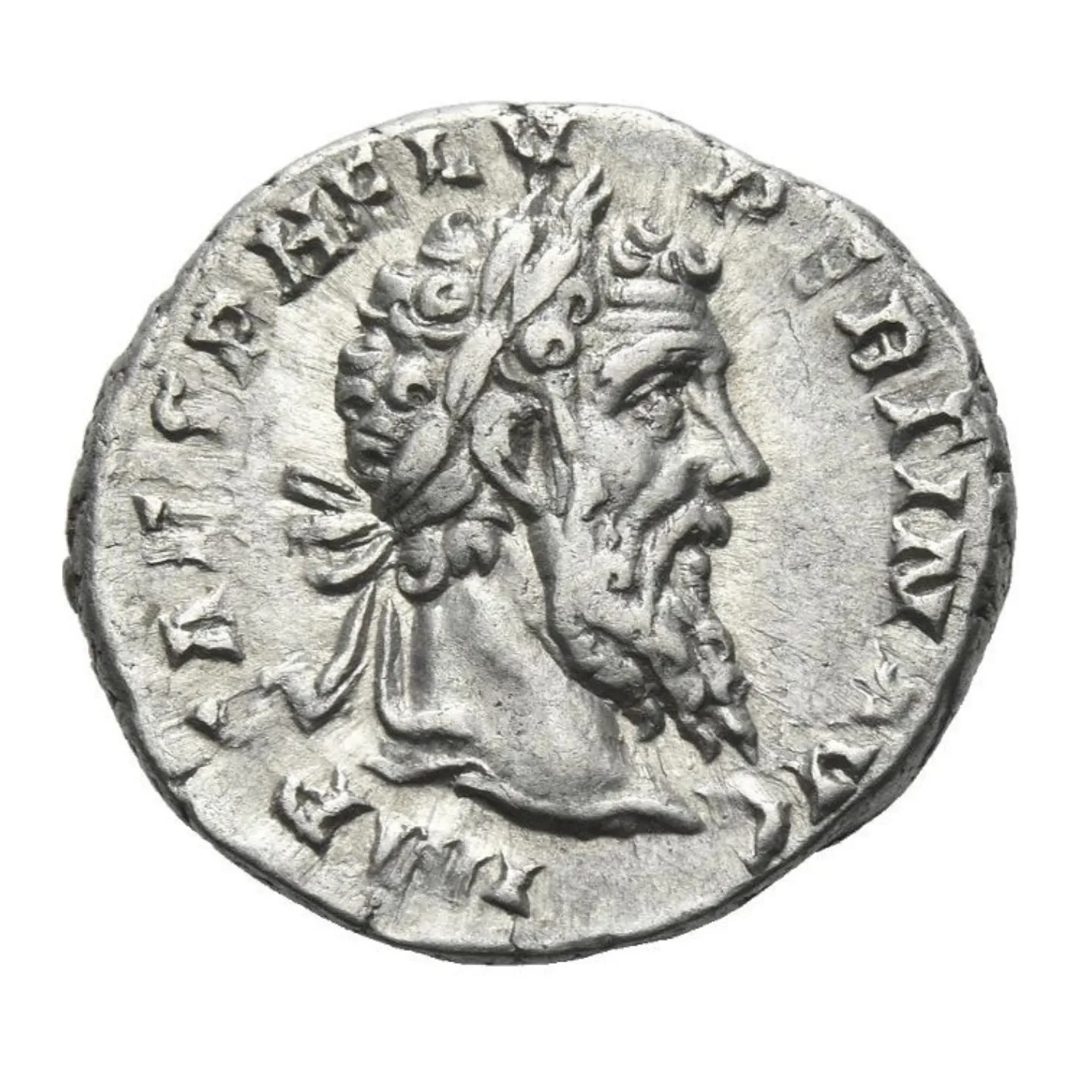
Obverse:Pertinax head, laureate, right - IMP CAES P HELV PERTIN AVG
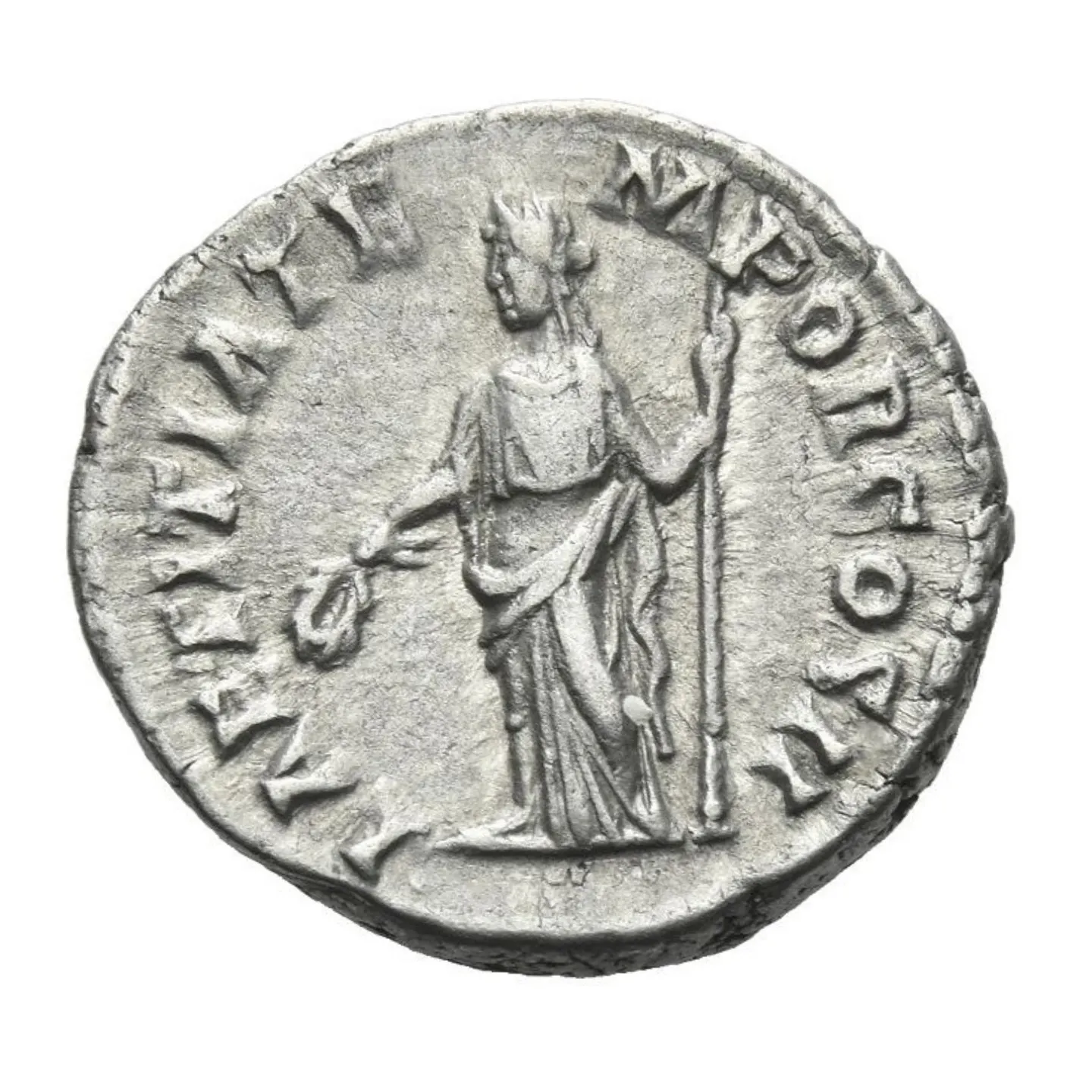
Reverse:Laetitia, dressed, standing on the left, holding a crown in her right hand and a scepter placed on a globe in her left hand - LAETITIA TEMPOR COS II
Grade:VF+ 3.39 g - 12h
Origin:Numismatics Ars Classica 2026
Comment:
Publius Helvius Pertinax came to power in 193 AD, after the assassination of Commodus, at a time of profound political instability in Rome. His arrival was seen as an opportunity to restore order and discipline after the excesses of the previous emperor. A man of humble origins and with a solid military and administrative career, Pertinax represented the traditional values of austerity, merit and responsibility.
However, his attempt to reform the functioning of the Praetorian Guard and clean up imperial finances generated strong opposition. His reign was extremely brief – barely three months – cut short by his assassination at the hands of the Praetorians themselves.
In its denarii, Pertinax conveys a clear message of legitimacy and stability. The legends on the obverse, with their full imperial title, reinforce their newly acquired authority, while the reverses often show divinities such as Concordia, Providentia or Liberalitas. These representations are not coincidental: they seek to project the image of an emperor concerned about the harmony of the State, good management and the well-being of the Roman people.
Despite the brevity of his rule, Pertinax’s coinage reflects a conscious attempt to restore the classical values of the Empire. Its broadcasts are especially appreciated today both for their historical interest and for symbolizing one of the most turbulent moments in Roman imperial history.