Didius Julianus
RIC IV Didius Julianus 1
Series: Empire - Of the 5 emperors
Reference: RIC IV Didius Julianus 1
 |  |
Gens and monetary:Of the 5 emperors - Didius Julianus
Year and mint:193 AD – Rome
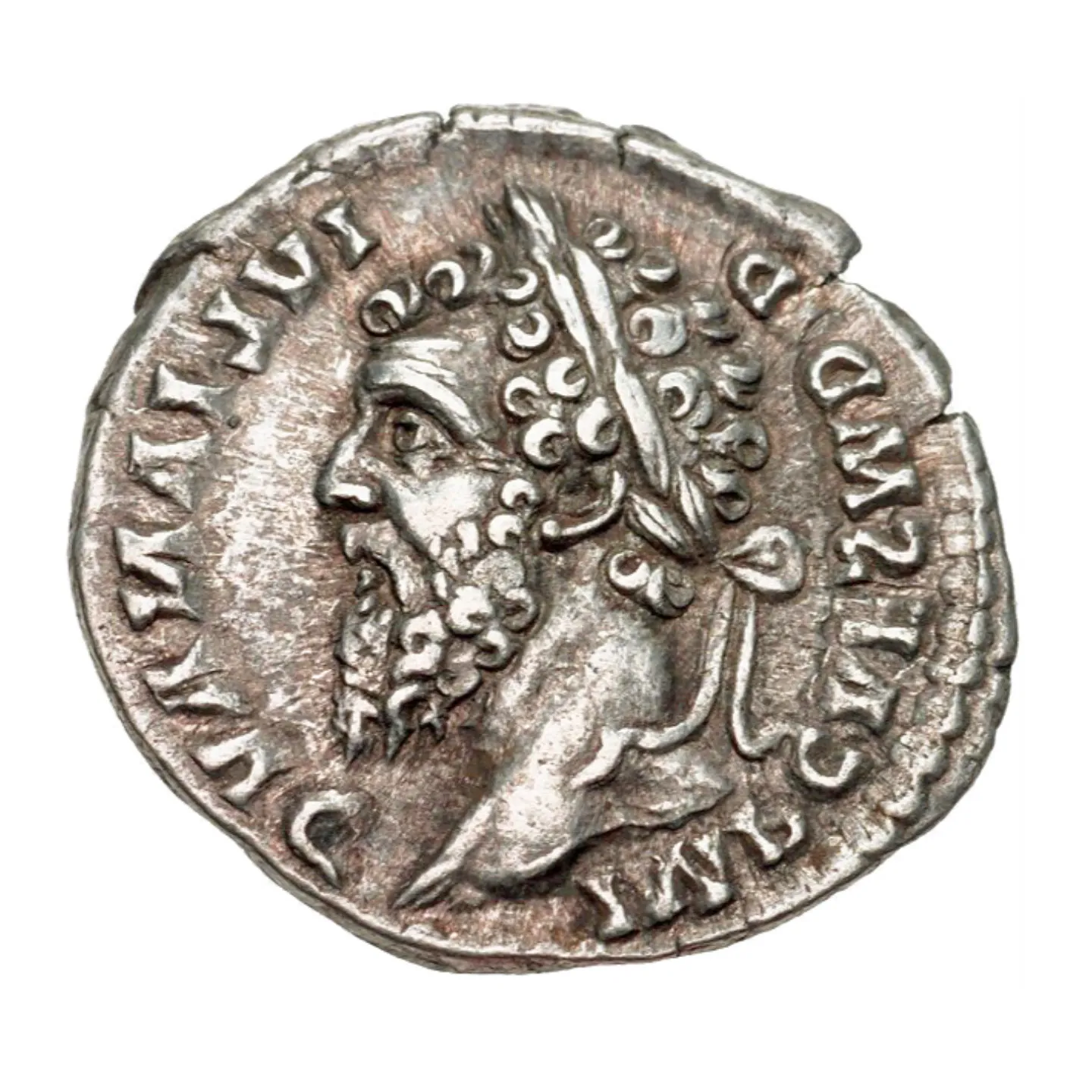
Obverse:Head of Didius Julianus, laureate, right - IMP CAES M DID IVLIAN AVG
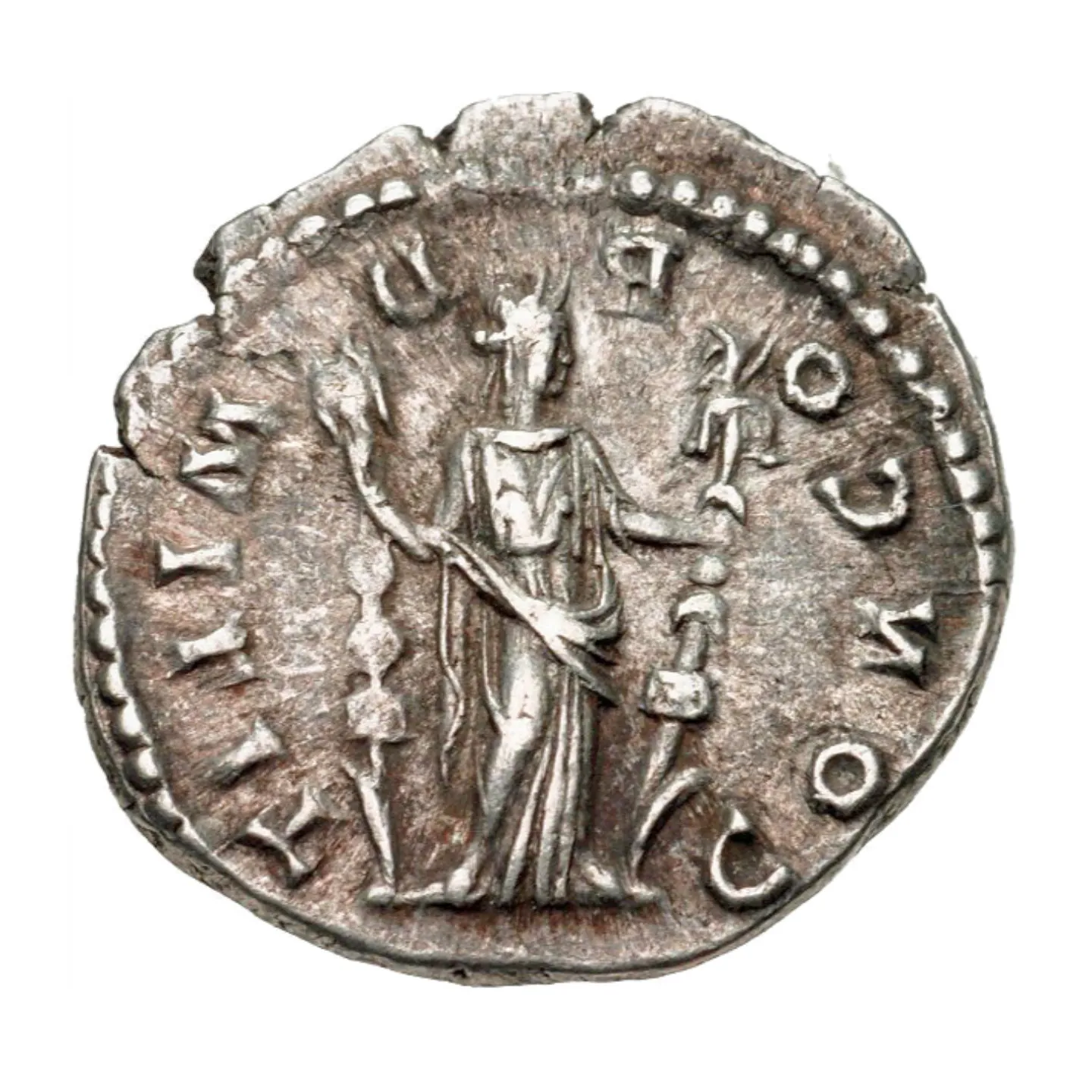
Reverse:Concord, draped, standing in front, head left, holding legionary eagle in right hand and banner in left hand - CONCORD MILIT
Grade:VF+ 2.90 g - 12h
Origin:Triton XXIX
Comment:
Didius Julianus did not come to power by lineage, nor by military victory, nor by popular acclaim. He came buying the Empire.
Following the assassination of Pertinax on March 28, 193 AD, the Praetorian Guard closed the camp gates and literally auctioned off the throne to the highest bidder. Julianus offered 25,000 sesterces per soldier and won the bid against Titus Flavius Sulpicianus.
He was a respected senator, with a complete political career: consul, governor of Germania Inferior, Dalmatia and Africa. It wasn’t improvised. But its legitimacy was stained from the first minute: Rome knew that its emperor had been bought.
His reign lasted just 66 days. When Septimius Severus advanced towards Rome supported by the Danubian legions, the same Guard that had proclaimed him abandoned him. The Senate condemned him and he was executed on June 1, 193 AD.
This denarius belongs exactly to that very brief interval in which Julianus attempted to appear as a legitimate emperor.
La Concordia appears standing holding a legionary eagle (aquila) and a military standard. It is not a matter of civil concord between the Senate and the people, nor of a family concord, but of a concord explicitly directed to the army. Julianus was fully aware of what his problem was: his power depended solely on the soldiers who had proclaimed it after auctioning the throne.
The message on the back tries to convey a very clear idea: “the army and I are united.” However, the historical reality was very different, since the Danube legions were already supporting Septimius Severus.
That is why this reverse is so significant from a numismatic point of view: it does not reflect a real situation, but rather an urgent political desire. It is one of the most obvious examples on Roman currency where the iconography reveals the fragility of the power it seeks to assert.