Marcus Aurelius
RIC 221 MARCO AURELIO
Series: Empire - Marcus Aurelius
Reference: RIC 221 MARCO AURELIO
 |  |
Gens and monetary:Antonina - Marcus Aurelius
Year and mint:From 170 AD to 170 AD - Rome
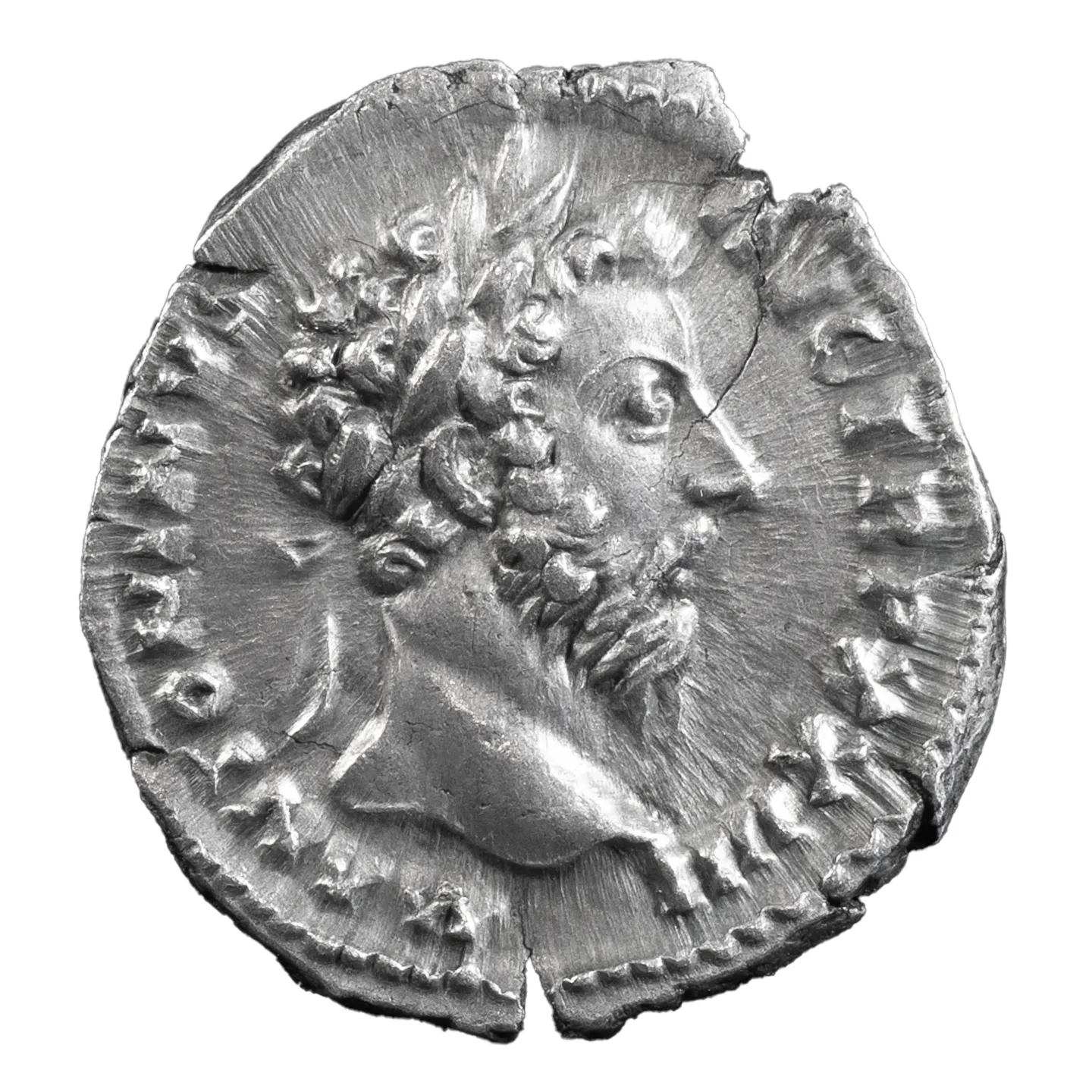
Obverse:Head of Marcus Aurelius, laureate, right. M ANTONINVS AVG TR P XXIIII
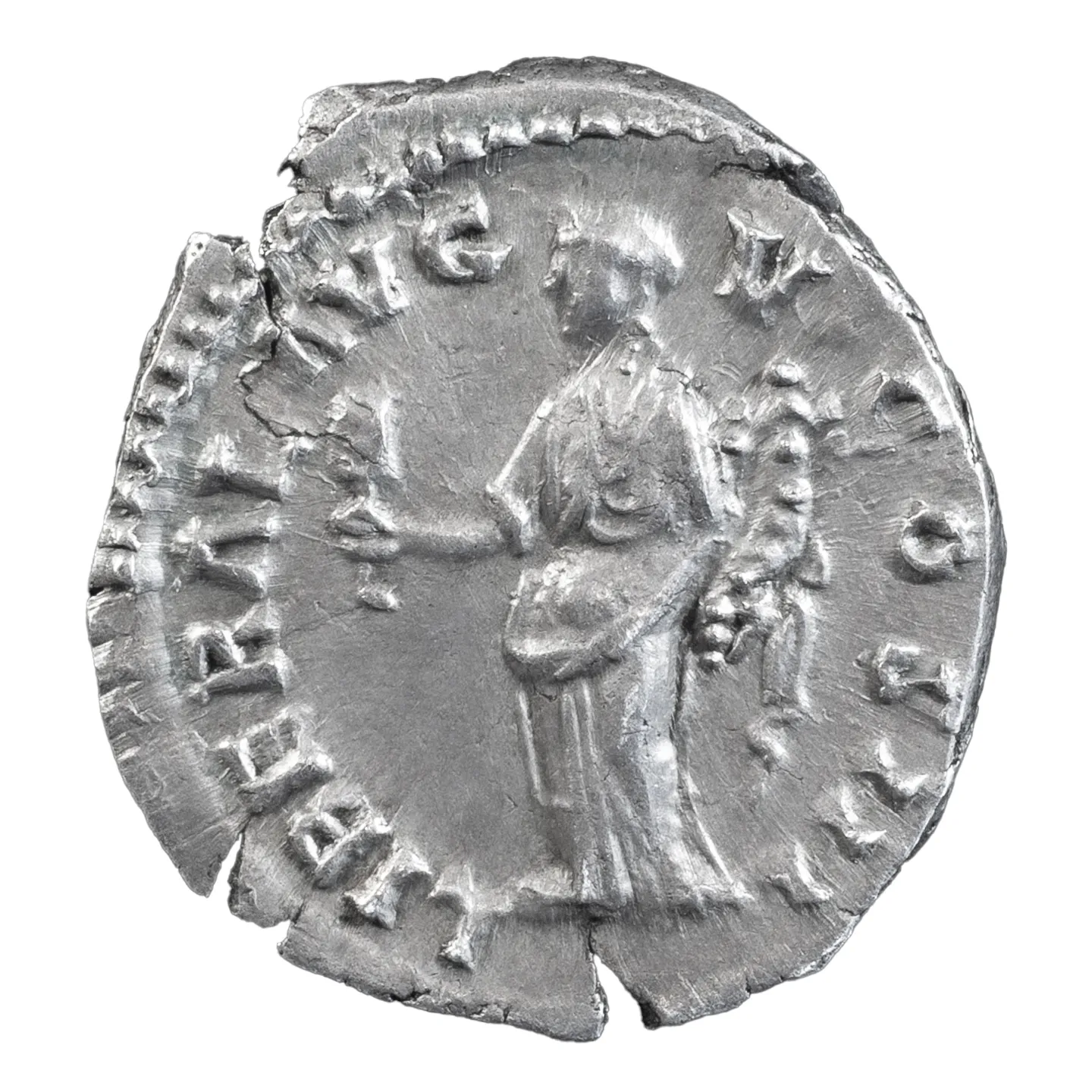
Reverse:Liberalitas, draped, standing in front, head left, holding the abacus in the right hand and cornucopias in the left hand. LIBERAL AVG V COS III
Grade:EF 2.53 g - 1h
Origin:Numismatics VERUM 2025
Comment:
Marcus Aurelius was part of the Antonine dynasty, adopted by Antoninus Pius and trained in Stoic ideals. He initially ruled alongside Lucius Verus until his death in 169 AD, then becoming sole emperor. His figure stands out for his balance between authority and philosophy, and for having written a key work of Stoic thought: Meditations.
After the death of Lucius Verus in 169 AD, Marcus Aurelius now rules alone. The Empire faces a critical situation: in the north, Germanic tribes cross the Danube and penetrate Pannonia and even Italy, while the Antonine plague continues to decimate the population. Against this backdrop, the emperor reinforces the image of a generous and protective power through public acts of liberality. The issuance of this denarius, with the personification of Liberalitas, seeks to project an image of stability, order and care towards the Roman people in one of the most difficult moments of the 2nd century.
The laureate bust of Marcus Aurelius represents his authority and legitimacy as princeps. The legend “M ANTONINVS AVG TR P XXIIII” indicates his official name as emperor, and the number of his tribunician power (24th renewal), which helps to precisely date the issue.
The personification of Liberalitas, goddess of imperial generosity, appears carrying the abacus (record of payments made to the people) and a cornucopia (symbol of abundance). The legend “LIBERAL AVG V COS III” refers to the fifth liberality offered by the emperor in his third consulship. These public donations were used to reinforce the loyalty of the people, especially in difficult times such as those the Empire was going through.