Geta
RIC IV Geta 22
Series: Empire - Geta
Reference: RIC IV Geta 22
 |  |
Gens and monetary:Severe - Geta
Year and mint:From 200 AD to 202 AD - Rome
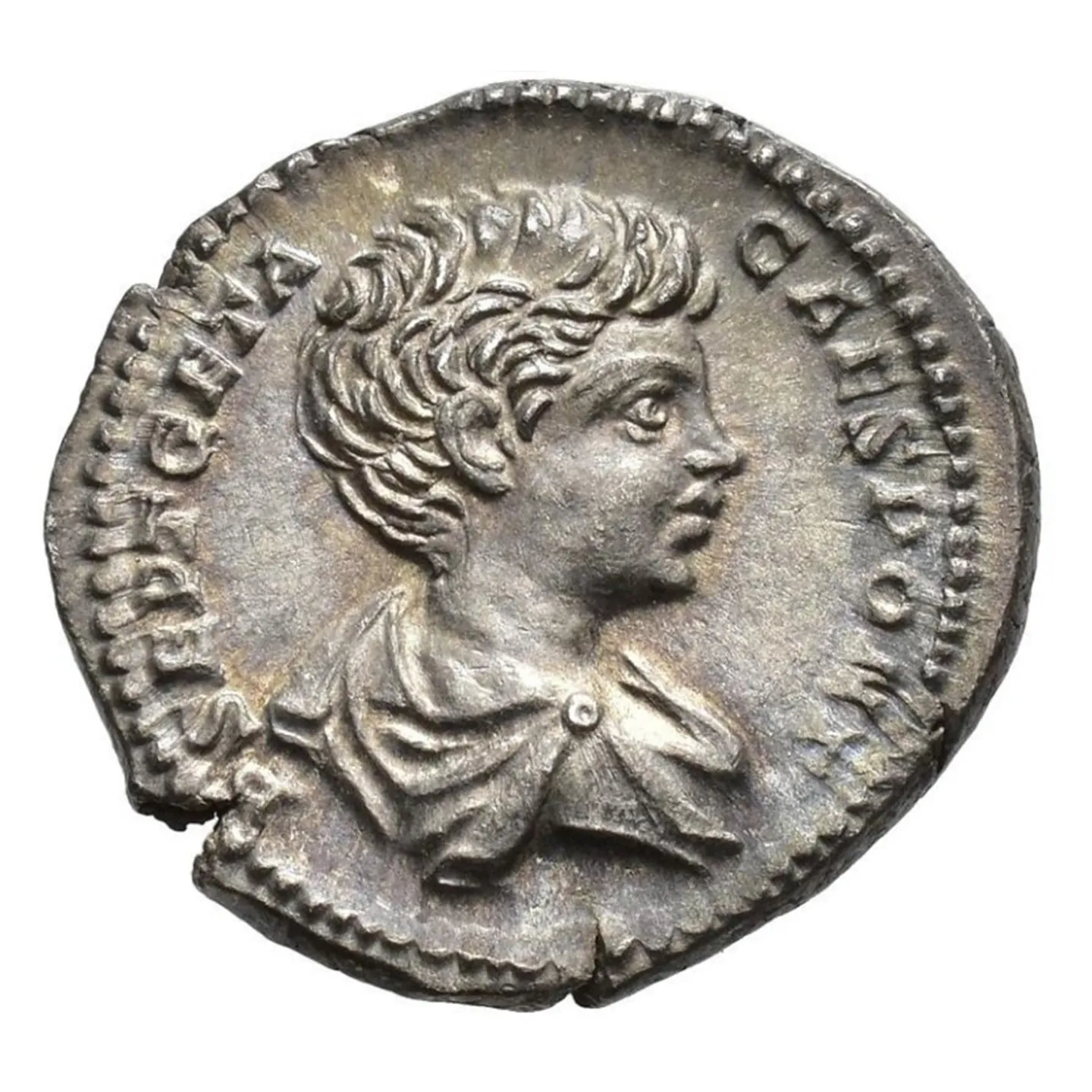
Obverse:Draped bust to the right. L SEPT GETA CAES PONT
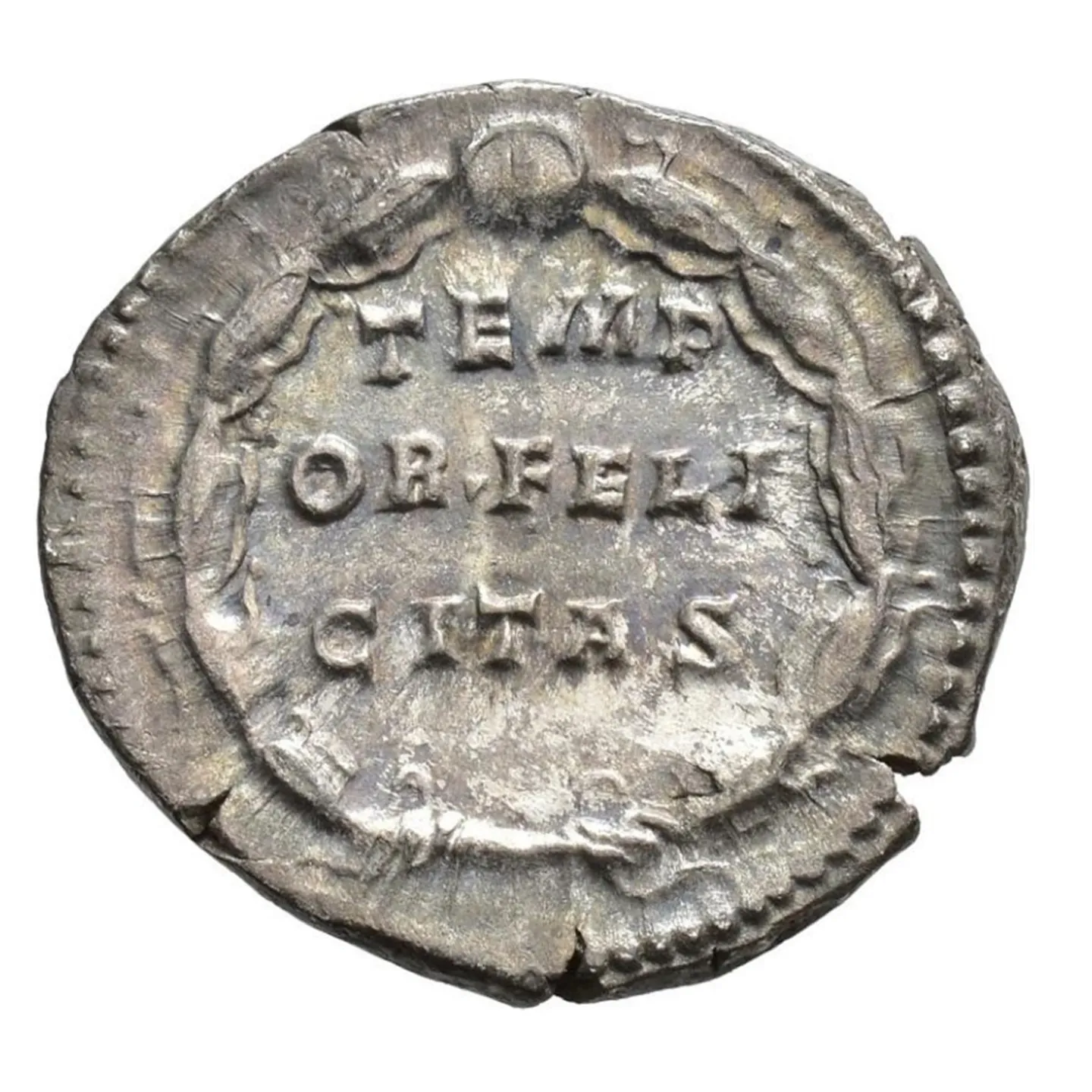
Reverse:Legend in three lines within a laurel wreath. FELICITAS TEMPORVM
Grade:EF+ 3.14 g - 12h
Origin:Jesus Vico 2024
Comment:
The Severan dynasty was founded by Septimius Severus in 193 AD, after a civil war. Severus consolidated imperial power and established a strong dynastic line, focused on military stability and control of the Empire. Geta, his youngest son, was a key member of this dynasty, although his life and career were marked by his conflictive relationship with his brother Caracalla.
Geta was named Caesar in 198 AD, at a young age, and was always under the influence of his father, Septimius Severus. During this time, Geta performed ceremonial functions and was prepared to rule alongside his brother Caracalla. Although his career seemed destined to be successful, his relationship with Caracalla deteriorated, and after his father’s death in 211 AD, he was murdered by his own brother.
The denarius was minted between 200 and 202 AD, when Rome was experiencing a period of relative stability under Septimius Severus. At this time, Geta’s public image was being promoted as part of the imperial succession. In addition, important events were celebrated, such as Caracalla’s marriage to Publia Fulvia Plautilla in 202 AD, which reinforced the status of the imperial family.
The obverse features Geta with the title “Pontifex”, highlighting his role as a member of the imperial family. On the reverse, the legend “TEMPO FELICITAS” within a laurel wreath suggests a period of prosperity under the Severans, with the wreath as a symbol of victory. However, the message of temporary happiness could be an indirect reference to the tensions between the brothers, which would culminate in the murder of Geta.