Caracalla
RIC IV Caracalla 47A
Series: Empire - Caracalla
Reference: RIC IV Caracalla 47A
 |  |
Gens and monetary:Severos - Caracalla
Year and mint:From 199 AD to 200 AD - Rome
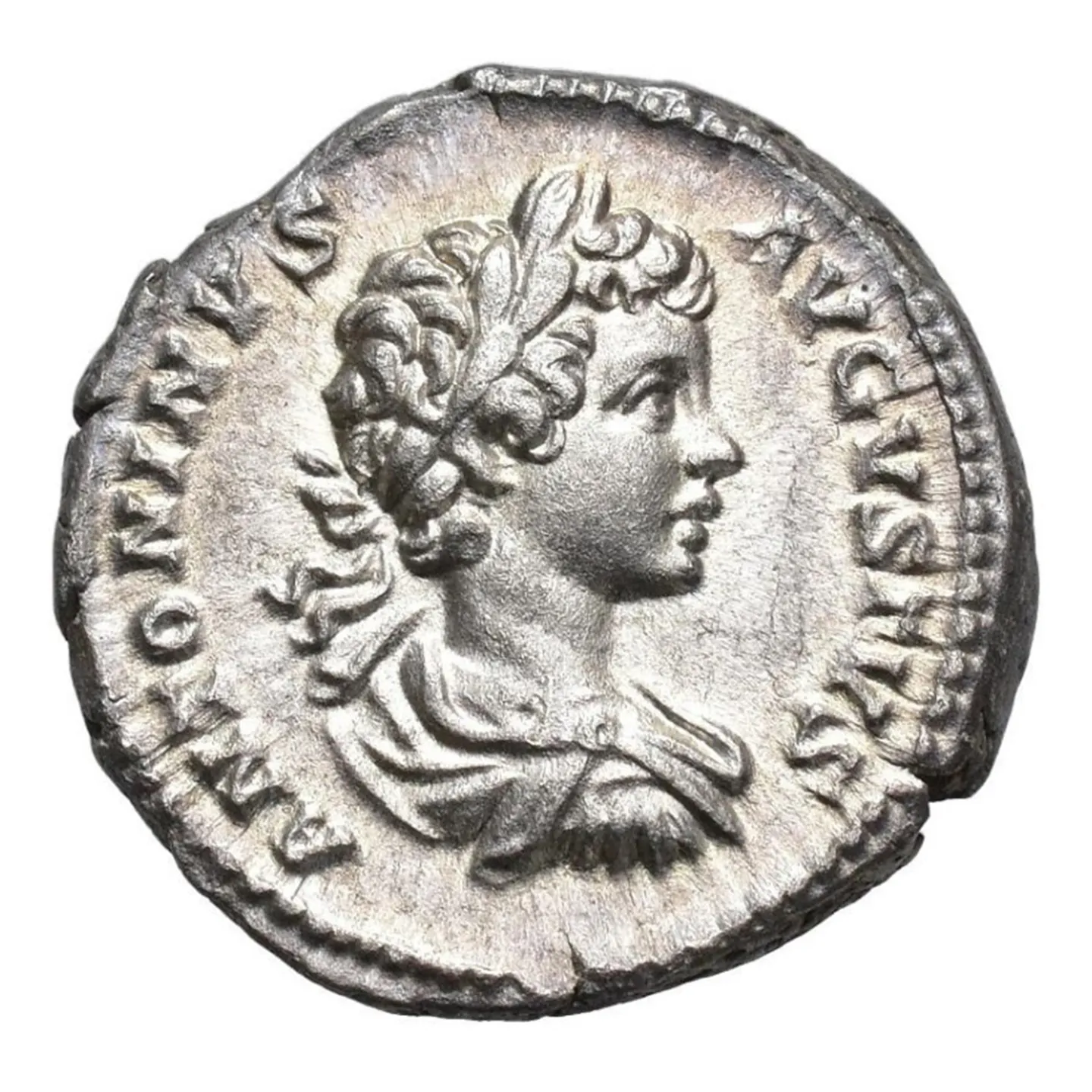
Obverse:Draped and decorated bust on the right. ANTONINVS AVGVSTVS
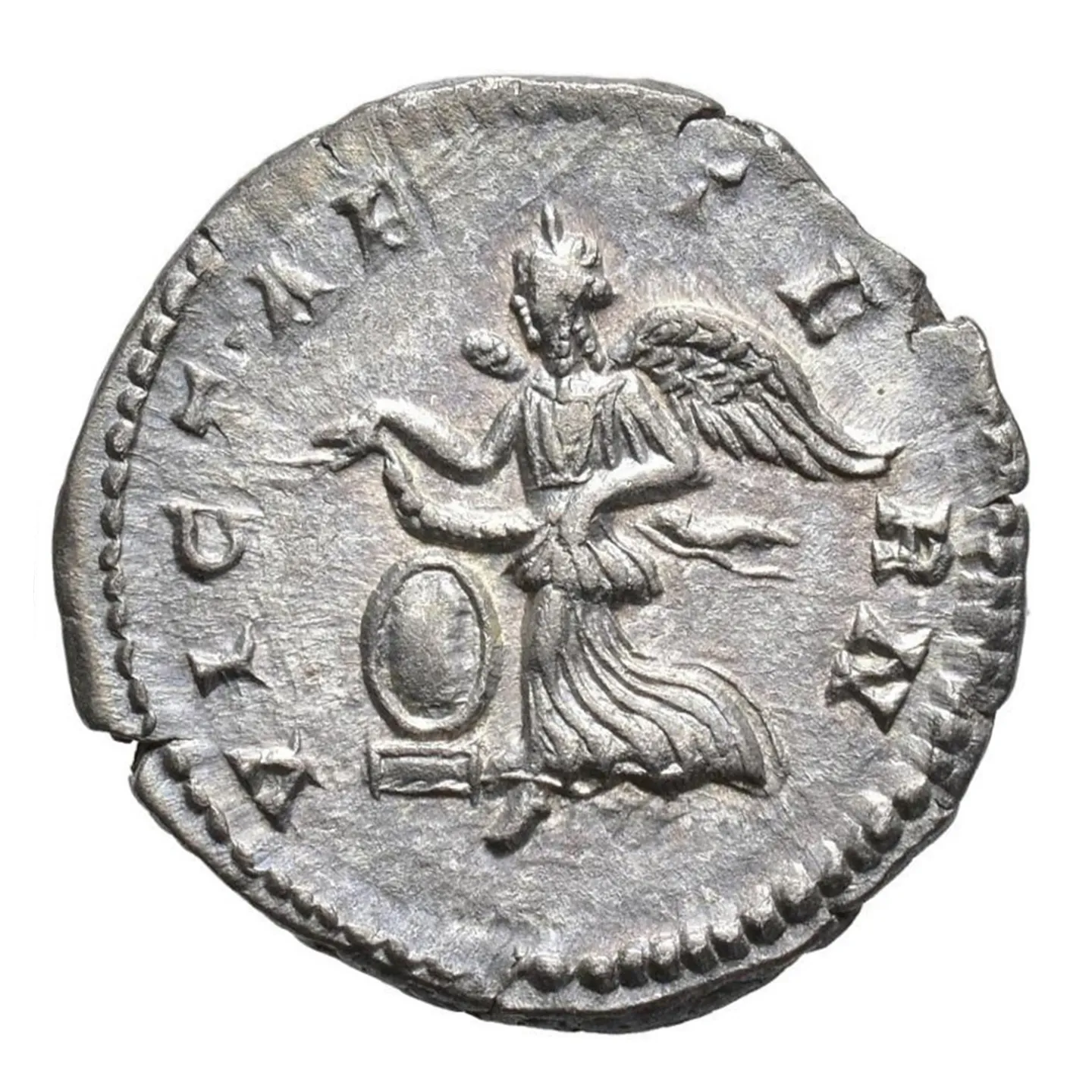
Reverse:Victory, winged, covered, advancing to the left, holding a crown with both hands on the shield placed at the base. VICT AETERN
Grade:EF 3.2 g - 11h
Origin:Jesus Vico 2024
Comment:
The Severan dynasty was founded by Septimius Severus, who rose to power after a period of instability and civil wars. Of Punic origin, this family came from the Leptis Magna region, in Africa. The Severos consolidated their power through reforms and heavy dependence on the army. Septimius Severus, Caracalla’s father, was the first emperor of this dynasty, and his legacy would live on through his sons.
Caracalla, eldest son of Septimius Severus, was elevated to co-emperor along with his father in 198 AD, when he was barely 10 years old. Later, after his father’s death in 211 AD, he ruled alone. He is known for his harshness and his Edict of Caracalla, which granted Roman citizenship to all free inhabitants of the empire.
Between 199 and 200 AD, the Empire was in a time of transition. Septimius Severus and Caracalla consolidated their rule after defeating the usurpers in civil wars and prepared the ground for their military campaigns in the East. Internally, administrative and military reforms were being implemented to strengthen the control of the central power, and Rome was experiencing relative peace under the tutelage of the Severi.
The obverse of the denarius shows Caracalla with a draped and laureate bust, highlighting his position as emperor and victor. The legend “ANTONINVS AVGVSTVS” underlines his connection with the emperors of the Antonine dynasty, which reinforced his dynastic legitimacy and gave him a symbolic connection with the tradition of the “good emperors”.
On the reverse, the figure of Victoria advancing to the left with a crown in her hands is a symbol of triumph and eternity. The inscription “VICT AETERN” reinforces this idea, proclaiming that Caracalla’s victory would be eternal, a message addressed to both the people and the troops.