Domitian
RIC II Domician 742
Series: Empire - Domitian
Reference: RIC II Domician 742
 |  |
Gens and monetary:Flavia - Domitian
Year and mint:From 92 AD to 93 AD - Rome
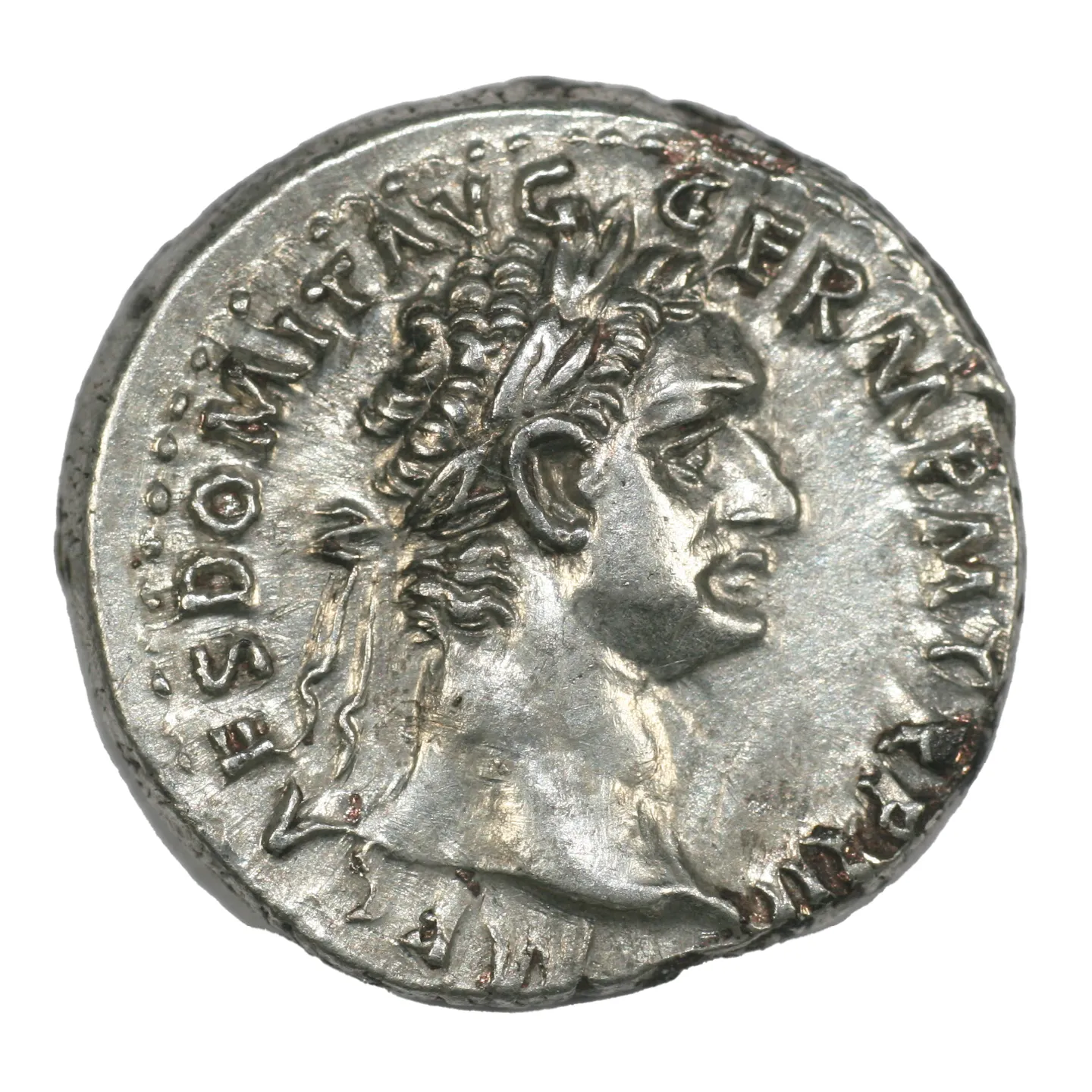
Obverse:Head of Domitian, laureate, to the right. IMP CAES DOMIT AVG GERM P M TR P XII
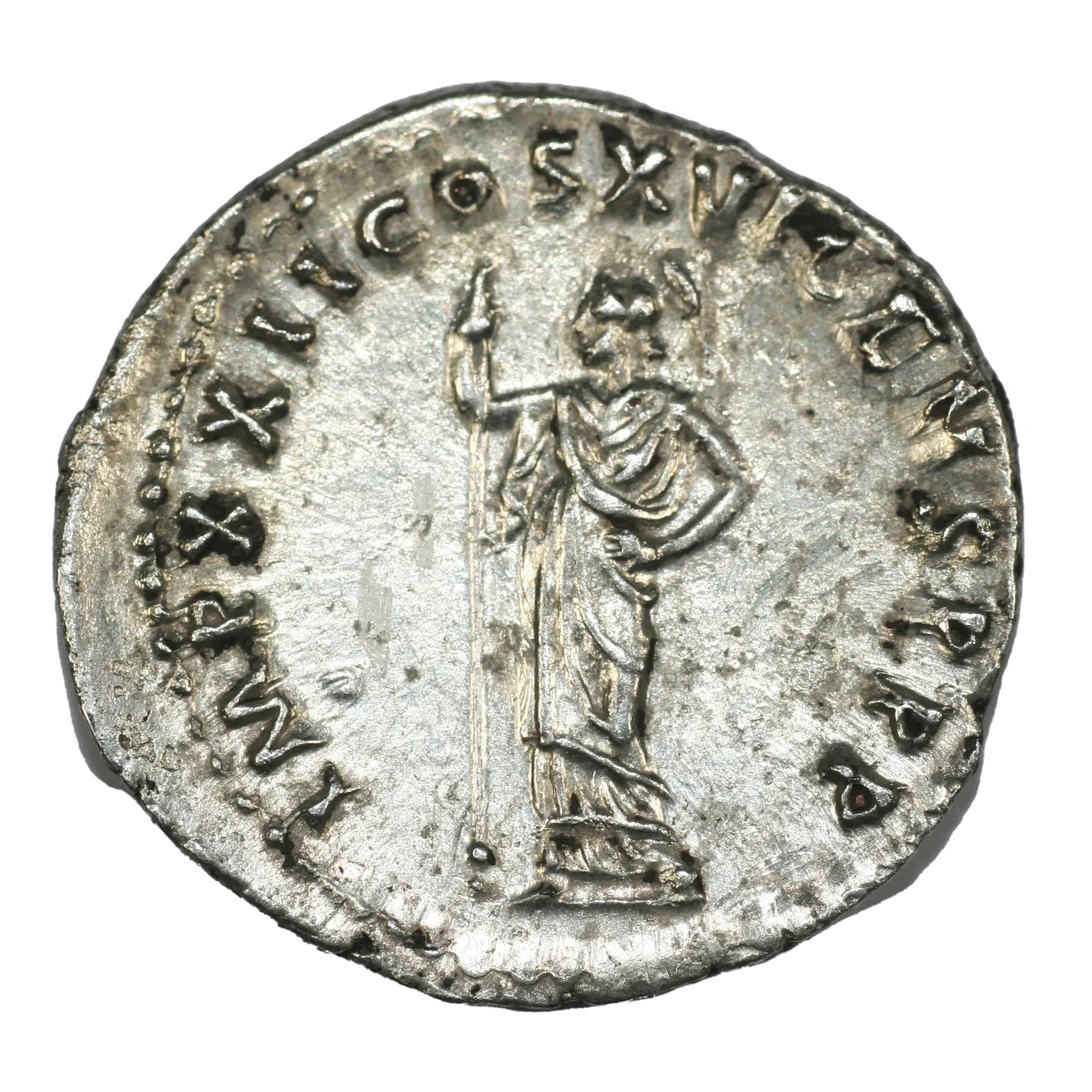
Reverse:Helmeted and draped Minerva, standing in front, left, holding a spear in her right hand. IMP XXII COS XVI CENS P P P
Grade:EF- 3.24 g - 6h
Origin:Astarte 2023
Comment:
The Flavian dynasty was founded by Vespasian, who rose to power in AD 69, during the turbulent period of the “Year of the Four Emperors.” Vespasian, a successful military commander, restored stability to Rome after the civil war. His greatest achievement was the consolidation of imperial power, as well as beginning the construction of the Colosseum, a lasting symbol of Roman greatness. The dynasty was characterized by a pragmatic approach to government, strengthening the Empire’s finances and restoring military and social order. Vespasian was succeeded by his son Titus, who continued these reforms, and then by his second son, Domitian.
Domitian, the second son of Vespasian, was a controversial emperor who ruled from 81 to 96 AD. Unlike his brother Titus, Domitian adopted a more authoritarian style of government. He distinguished himself for his administrative reforms and for reinforcing imperial power, assuming the title of perpetual censor. He was also a military emperor, standing out in his campaigns in Germany and the Danube border. During her reign, she encouraged imperial worship and fostered a close relationship with Minerva, whom she revered as her personal protector.
The denarius was minted between 92 and 93 AD, at a time of tension on the borders of the Empire, especially in Germania, where Domitian had led successful military campaigns that earned him the title “Germanicus”. Internally, Rome enjoyed relative peace, while Domitian focused on consolidating his power and strengthening the Empire’s defenses. This period was also marked by the emperor’s increasing authoritarian control over domestic politics and his strained relationship with the Senate.
On the obverse, Domitian’s laureate head reinforces his image as a victorious emperor, with the laurel symbolizing his power and military success. On the reverse, Minerva, the goddess of wisdom and war, appears with helmet and spear, reflecting Domitian’s personal devotion to her. Minerva was a frequent deity on the coins of her reign, symbolizing both divine protection and military prowess. Its presence on this coin could allude to Domitian’s desire to be seen as a strong leader and protector of the Empire. Although the exact meaning of the image is not certain, it is likely to reinforce the emperor’s association with wisdom and military strategy.