Heliogabalus
RIC IV Heliogábalo 195
Series: Empire - Heliogabalus
Reference: RIC IV Heliogábalo 195
 |  |
Gens and monetary:Severus - Heliogabalus
Year and mint:From 218 AD to 222 AD - Antioch
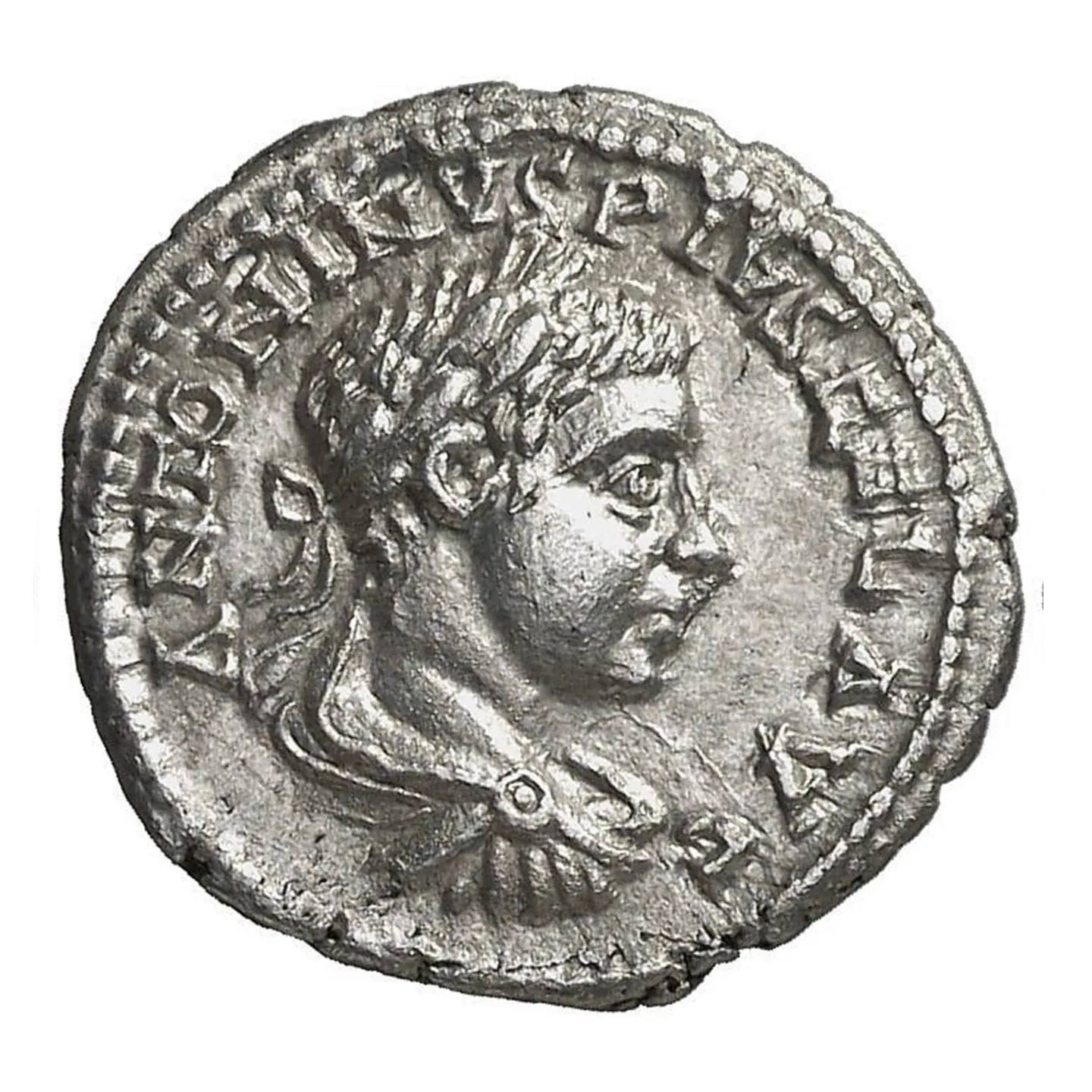
Obverse:Bust of Elagabalus to the right, laureate and draped. ANTONINVS PIVS FEL AVG
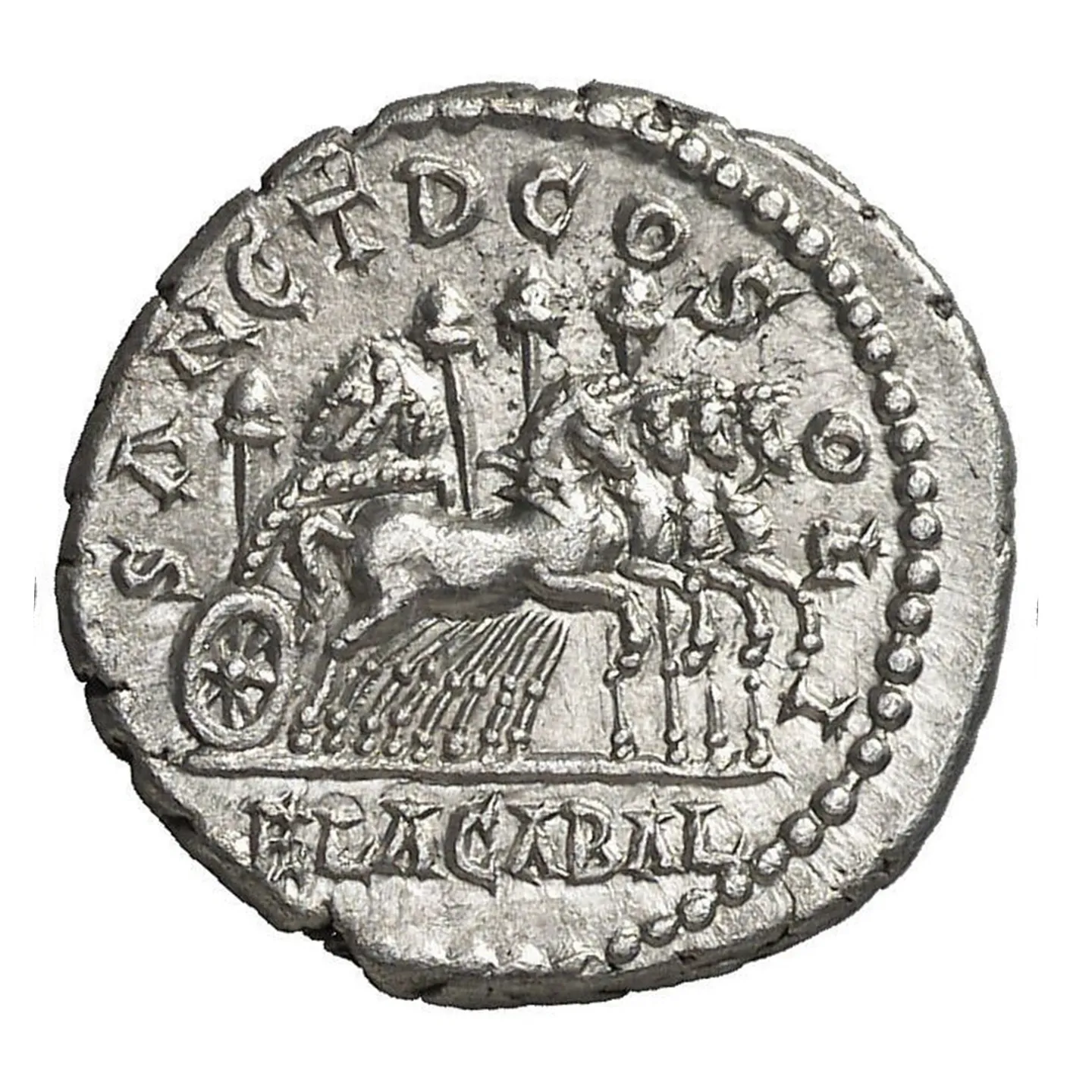
Reverse:Walking quadriga adorned with four parasols, carrying a conical stone on which an eagle is represented. SANCT DEO SOLI ELAGABAL
Grade:EF+ 2.68 g -
Origin:Ex Áureo & Calicó 07/01/2010, no. 50. - Aureo & Calicó 2024
Comment:
Elagabalus’s family came from Emesa, in Syria, and was linked to Roman high society thanks to his great-grandfather Septimius Severus, founder of the dynasty. His grandmother, Julia Mesa, was a key figure in the restoration of the Severan dynasty after Caracalla’s death. Julia Mesa and her daughter, Julia Soemia, mother of Elagabalus, were influential and powerful women who played a crucial role in the politics of Rome, using their connections to orchestrate the ascension of Elagabalus to the throne in 218 AD. The family was deeply associated with the cult of the Sun god (El-Gabal), a deity revered in their city of origin.
Elagabalus ruled from 218 to 222 AD, and his reign was marked by eccentric behavior and a religious fervor that alienated both the Senate and much of the Roman population. He introduced the cult of the Sun god (El-Gabal), whom he worshiped as high priest, which earned him the antipathy of the political class. His excessive emphasis on Eastern religious practices and extravagant lifestyle led to his overthrow and assassination in 222 AD, after which his cousin, Alexander Severus, succeeded him.
The denarius was minted between 218 and 222 AD, at a time of religious and political tensions. Antioch was a key city in his rise to power, being the center from which he began his campaign to overthrow Macrinus. Despite the reforms he tried to implement, his government was marked by instability and resistance from military and political forces.
On the obverse, the draped laureate bust of Elagabalus presents him as a traditional emperor, although his title “PIVS FEL AVG” suggests a religious connection and search for divine legitimacy. The reverse is particularly significant, as it shows an ornate chariot with four parasols, carrying a conical sacred stone with a representation of an eagle. This image symbolizes the cult of El-Gabal, the Syrian sun god, of which Elagabalus was high priest. The eagle, an imperial symbol, underscores Elagabalus’ intention to merge religious power and imperial power under his rule, promoting El-Gabal as the protector deity of the Empire.