Hadrian
RIC II, 3SE, Hadrian 1544
Series: Empire - Hadrian
Reference: RIC II, 3SE, Hadrian 1544
 |  |
Gens and monetary:Antonina - Hadriano
Year and mint:From 130 AD to 133 AD - Rome
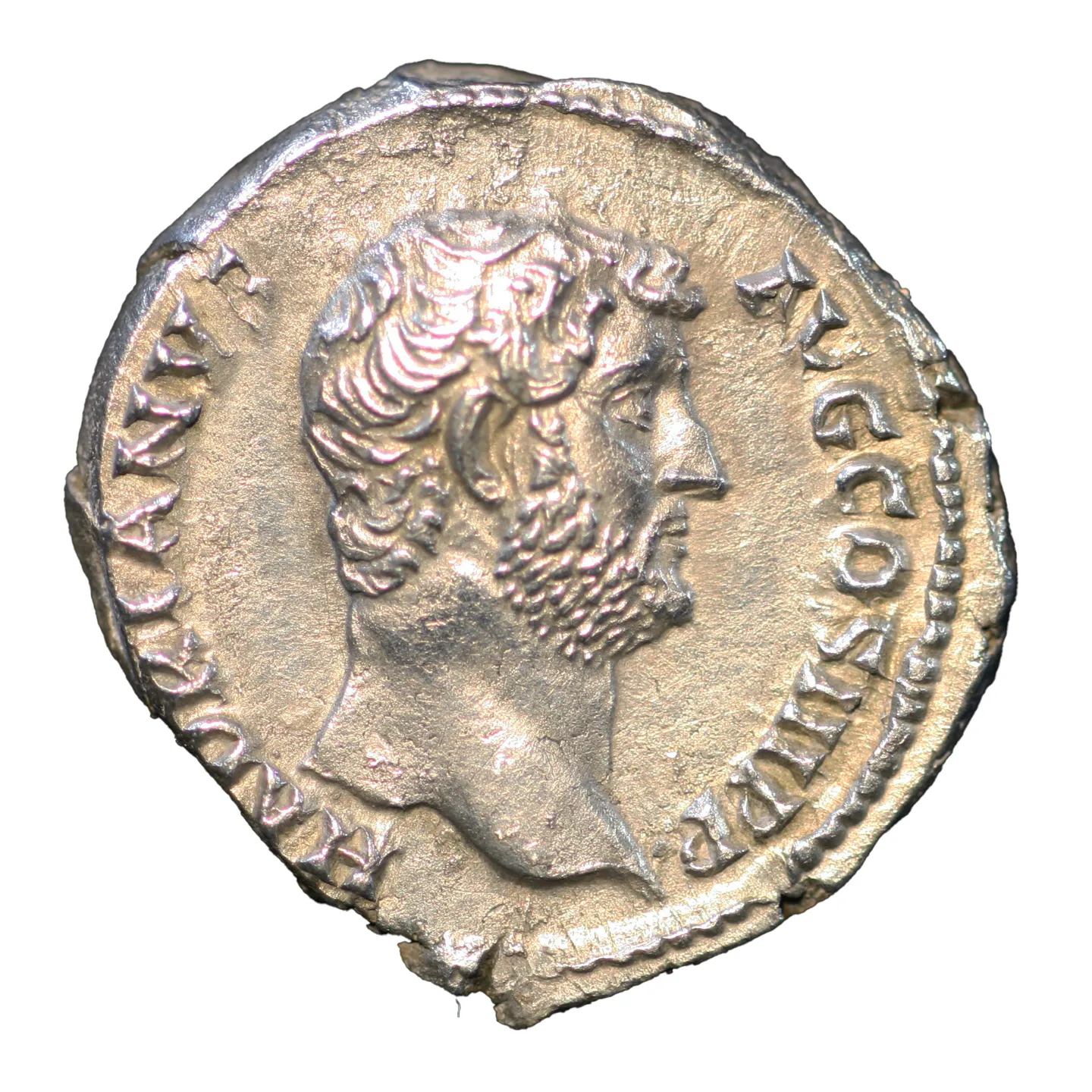
Obverse:Head of Hadrian, right - Legend: HADRIANVS AVG COS III P P
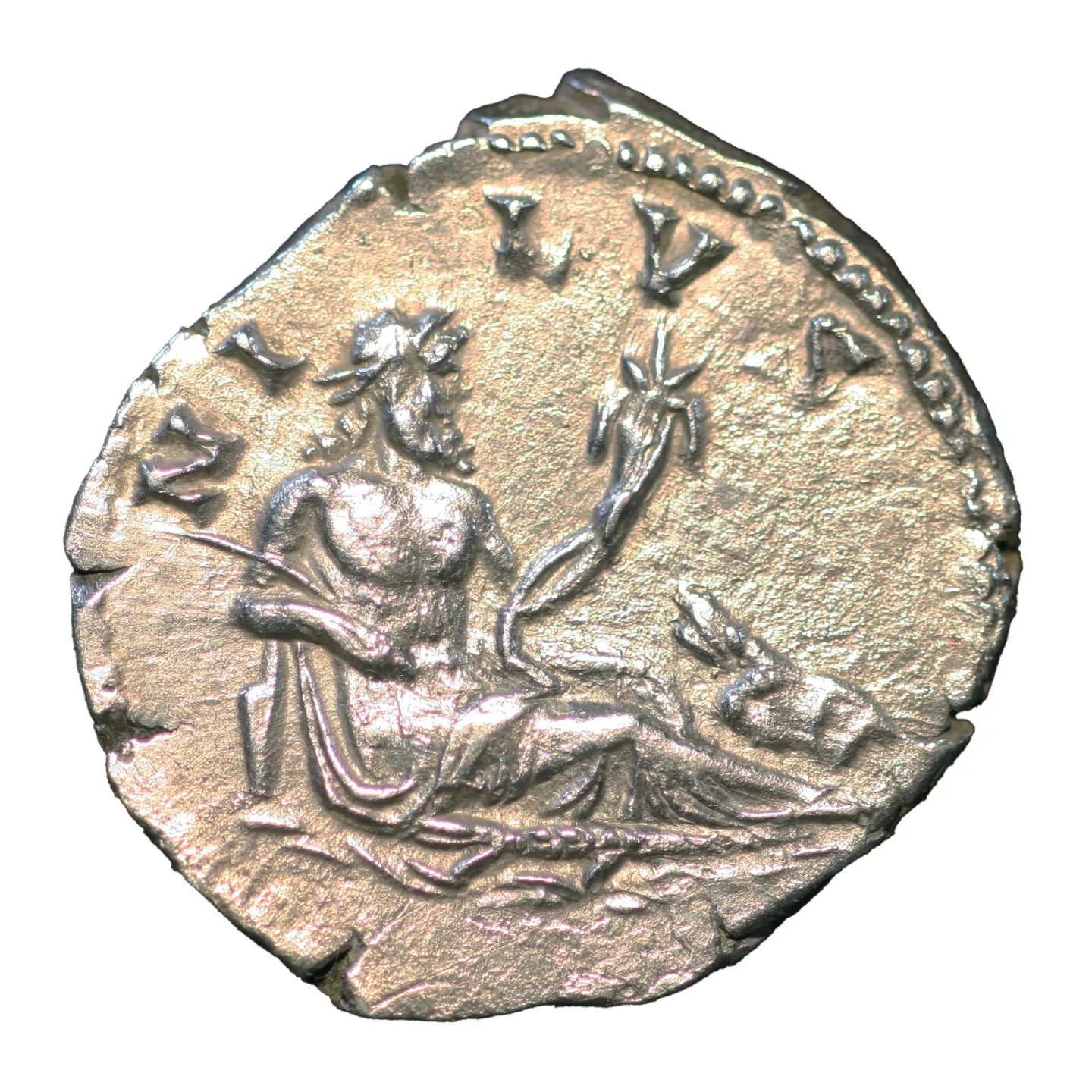
Reverse:Nilus reclining to the right, holding reed and cornucopia; In the water below, crocodile and hippopotamus. - Legend: NILVS
Grade:EF - 3.24 g - 6h
Origin:NAUMANN, May 2025
Comment:
The Antonine Dynasty ruled the Roman Empire during the 2nd century AD, a period known as the Age of the Good Emperors. Started by Nerva (although formally from Antoninus Pius), it spanned the reigns of Trajan, Hadrian, Antoninus Pius, Marcus Aurelius and Commodus. It was characterized by internal stability, economic prosperity and cultural expansion. Unlike previous power struggles, the succession was adoptive and meritocratic, allowing for the election of competent administrators. During this stage, the Empire reached its maximum territorial extension and a high degree of social and legal cohesion, consolidating what would later be considered the “heyday” of Rome.
Publius Aelius Hadrian was emperor from 117 to 138 AD. and a singular figure among the Roman princes. Great-nephew and heir of Trajan, he abandoned the policy of military expansion to focus on the consolidation of borders and the internal strengthening of the Empire. He was passionate about art, philosophy and Hellenistic culture. He is remembered for his traveling spirit – he visited almost all the provinces – and for great architectural works such as the Pantheon (rebuilt under his reign) or Hadrian’s Villa in Tivoli. His legacy is that of a cultured and reformist emperor, more interested in balance and unity than in conquest.
Rome between 130 and 133 AD. Hadrian was in the last stage of his travels through the eastern provinces. In the year 130 he visited Egypt, a key territory for the supply of grain and rich in religious tradition. It was precisely there where his young lover Antinous died, drowned in the Nile, which deeply marked the emperor. In his memory he founded the city of Antinoopolis and promoted a cult that deified him. The period was also marked by tensions in Judea, which would lead to the rebellion of Bar Kochba (132–135). This context of personal mourning, interest in Egypt and peripheral conflicts is reflected in some of the monetary issues of the time, such as this denarius dedicated to the Nile River.
The obverse shows the bust of Hadrian looking to the right, with serene features and the characteristic beard that he introduced as a fashion among the Roman emperors. The legend HADRIANVS AVG COS III P P identifies the emperor as Augustus (AVG), consul for the third time (COS III) and father of the country (P P). These titles underline his authority and legitimacy, while the portrait offers an idealized image of prudence and dignity. The use of these elements on the currency had a strong propaganda value: it reminded citizens who was the guarantor of order and prosperity of the Empire, even in provinces as far away as Egypt.
The reverse represents the river-god Nilus, personification of the Nile, reclining and carrying a papyrus reed and a cornucopia, symbols of fertility and abundance. At his feet, in the water, appear a crocodile and a hippopotamus, emblematic animals of the Egyptian landscape. This image not only celebrates the agricultural wealth of the Nile, essential to Rome, but also the integration of Egypt within the Roman world. The denarius probably commemorates Hadrian’s visit to Egypt and symbolically asserts the control and harmony of the Empire with nature and the local gods. It is also a piece that reflects the emperor’s aesthetic and religious interest in the East.