Gaul
Crawford 448/3
Series: Imperatorial - Gaul
Reference: Crawford 448/3
 |  |
Gens and monetary:Hostilia - L. Hostilius Saserna
Year and mint:From 48 BC to 48 BC - Latium
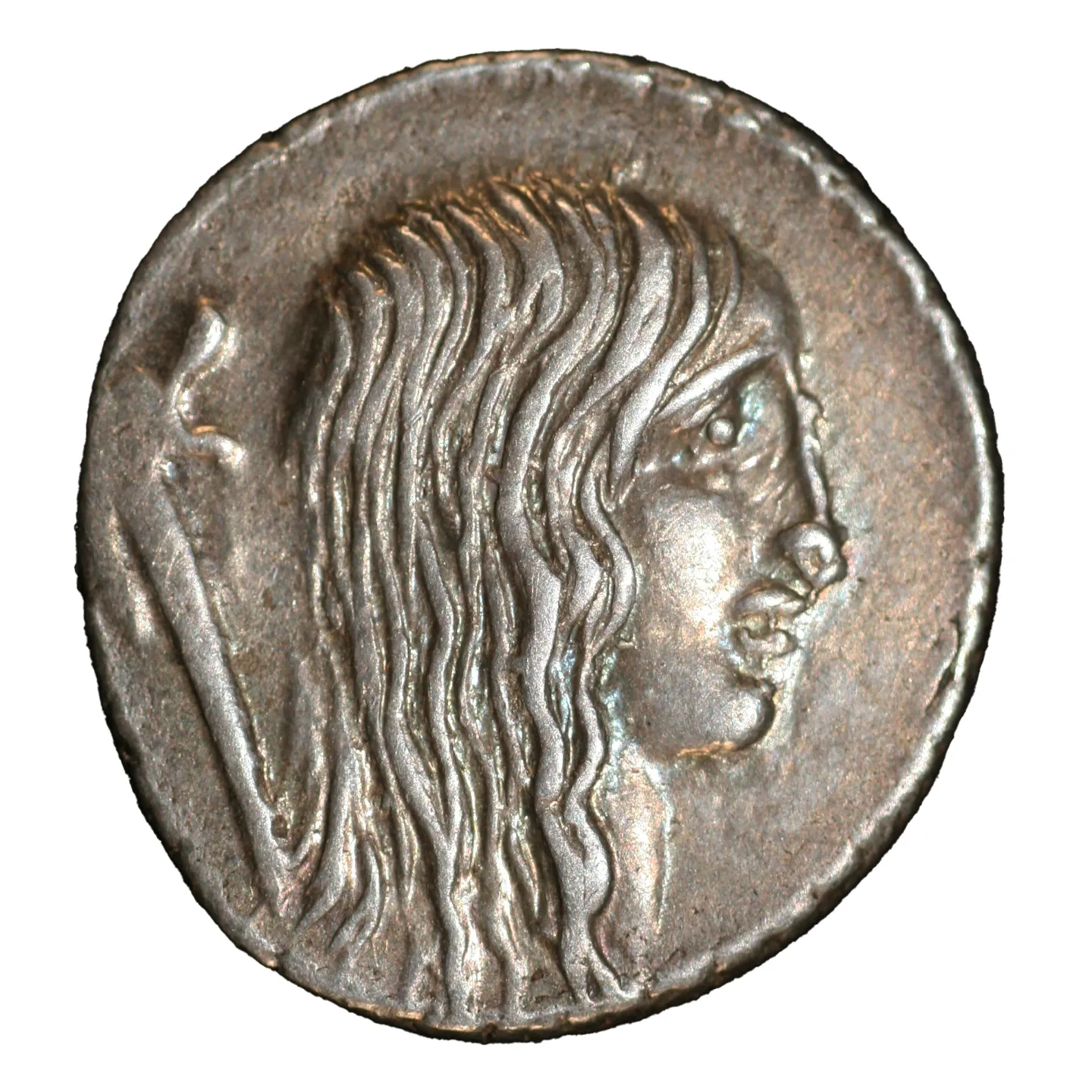
Obverse:Female bust, right, with long hair. Probably representing Gaul. Dotted border. -
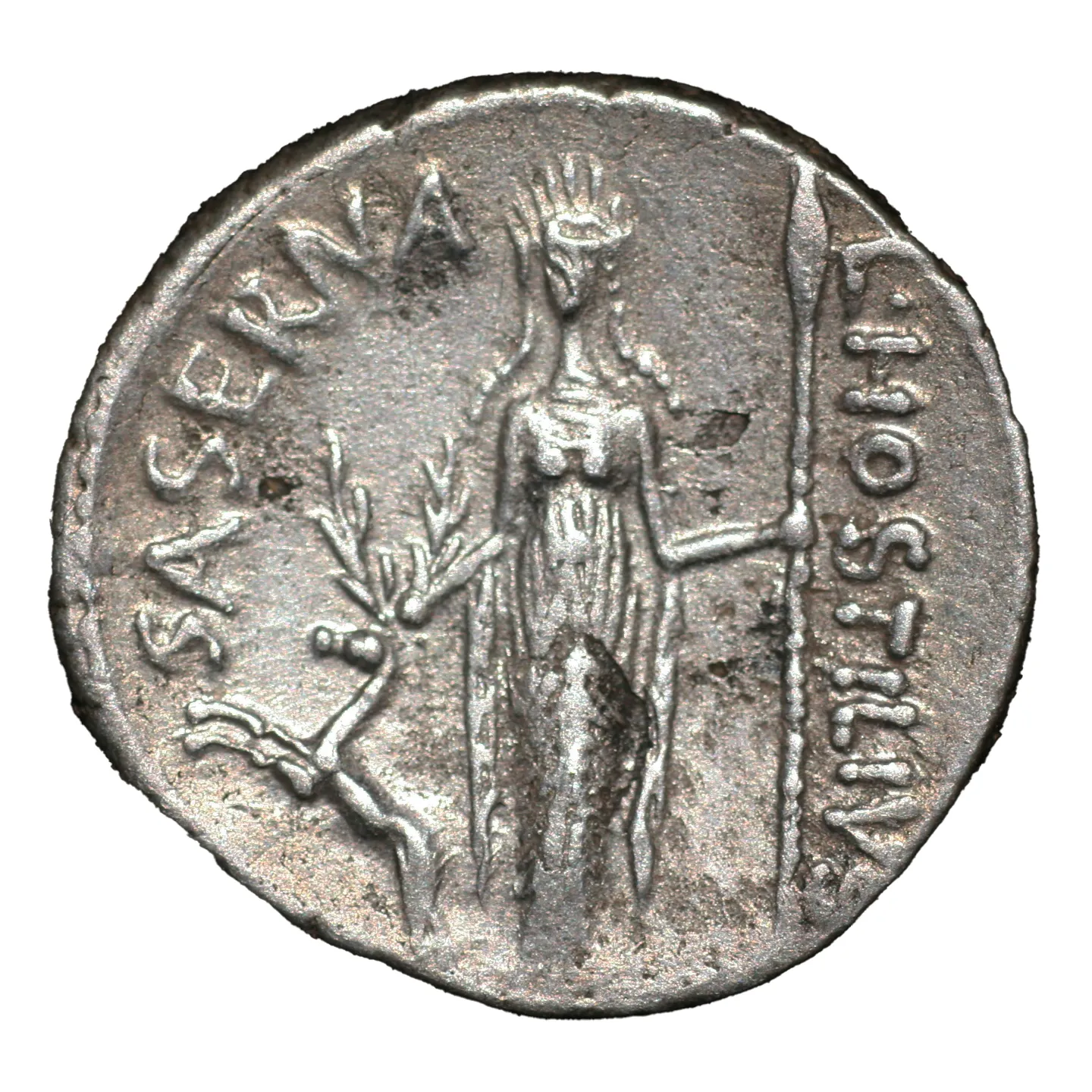
Reverse:Diana, facing forward, holding the spear in her left hand and placing her right hand on the deer’s head. Dotted border. L HOSTILIVS SASERNA
Grade:EF- / EF- x gr. - 9h
Origin:“Goldberg’s Auction 59, lot 2345 / The Peh Family Collection. Goldberg 2023”
Comment:
The gens Hostilia is an ancient Roman family, with roots dating back to the founding times of Romulus and Remus. The best-known member of this gens was Tullius Hostilius, who held the position of king in Rome. The first consulship in the family was achieved by Aulus Hostilius Mancinus in 170 BC.
L. Hostilius Sasserna was responsible for issuing this denarius in the year 48 BC, in the midst of the civil war between Julius Caesar and Pompey. Although there is not much information about his career, his role as a monetary indicates his participation in the complex power dynamics of that time.
The year 48 B.C. It was crucial in the Roman civil wars, with Caesar facing Pompey. After crossing the Rubicon River in 49 BC, Caesar challenged the authority of the Senate, sparking a decisive struggle for dominance of Rome. Caesar’s victory at the Battle of Pharsalia in 48 BC. It was a turning point in this contest.
Obverse: The female bust, probably representing Gaul, reflects Rome’s connection with the conquered lands and could allude to Caesar’s military victories.
Reverse: Diana, goddess of the hunt, appears holding a spear and placing her hand on a deer, symbolizing protection and control over nature. This representation may highlight ideals of strength and independence, relevant in the context of the struggle for power in Rome.